Arizona AC Installation: What to Expect

Arizona AC Installation: What to Expect
The morning your new AC system arrives at your Chandler home, you might feel a mix of excitement and anxiety. After weeks of research, quotes, and planning, the day has finally come to replace your aging system. But what exactly happens during a professional AC installation? How long will it take? What should you prepare for? And most importantly, how do you know if the installation is being done correctly?
Understanding the AC installation process in Phoenix Valley helps you prepare properly, know what to expect, and recognize quality workmanship. Unlike simple appliance installations, AC systems involve complex electrical work, refrigerant handling, and precise calibration that requires professional expertise. The extreme conditions in Phoenix Valley also create unique installation challenges that don't exist in moderate climates.
A properly executed installation can mean the difference between a system that provides 15 years of reliable service and one that struggles from day one. Knowing what to expect helps you work effectively with your contractor, identify potential problems early, and ensure your investment provides the comfort and efficiency you're counting on.
Pre-Installation Planning and Preparation
Before installation crews arrive at your Phoenix Valley home, several critical planning steps ensure your new system will perform optimally in our extreme climate.
Professional Load Calculation
Your contractor should perform a detailed Manual J load calculation that accounts for Phoenix Valley's unique conditions. This calculation considers your home's size, insulation, window types, orientation, and local climate factors to determine the proper system size.
Unlike moderate climates where oversizing might be acceptable, Phoenix Valley's extreme heat makes proper sizing critical. An undersized system will struggle during 115°F days, while an oversized system will cycle inefficiently and fail to control humidity during monsoon season.
Electrical System Assessment
Phoenix Valley's high cooling demands require robust electrical systems. Your contractor should evaluate your home's electrical capacity, including the main panel, circuit breakers, and wiring to ensure they can handle your new system's power requirements.
Many older homes in Chandler, Gilbert, and Mesa may need electrical upgrades to support modern high-efficiency systems. Planning for these upgrades before installation day prevents delays and ensures safe, code-compliant operation.
Ductwork Evaluation
Existing ductwork must be assessed for compatibility with your new system. Phoenix Valley's extreme attic temperatures can damage ductwork over time, and improvements may be needed to achieve optimal performance.
Pre-Installation Preparation Checklist:
- Clear access paths to both indoor and outdoor unit locations
- Remove furniture and belongings from work areas
- Ensure electrical panel access for contractors
- Arrange for pets to be secured during installation
- Confirm permit approvals and inspection schedules
- Review installation timeline and expectations with contractor
Permit and Inspection Requirements
Most cities in Phoenix Valley require permits for AC installation, which your contractor should handle. These permits ensure work meets local building codes and safety standards. The permit process typically takes 3-7 days, so plan accordingly.
Installation Day: Morning Setup and Preparation
Professional installation crews typically arrive early to beat Phoenix Valley's extreme heat, especially during summer months. Understanding their setup process helps you prepare for a smooth installation experience.
Crew Arrival and Initial Setup
Installation crews will arrive with specialized equipment, tools, and safety gear necessary for working in Phoenix Valley's extreme conditions. They'll begin by reviewing the installation plan, confirming equipment specifications, and setting up work areas.
Professional crews protect your home with drop cloths, plastic sheeting, and protective covers for furniture and flooring. They'll also set up staging areas for old equipment removal and new equipment preparation.
Safety Preparation
Phoenix Valley installations require additional safety measures due to extreme heat. Crews will establish hydration stations, shade areas, and cooling strategies to prevent heat-related illness during installation.
Equipment Inspection
Before beginning work, professional installers inspect all equipment to ensure it arrived undamaged and matches your specifications. This inspection prevents installation delays and ensures you receive exactly what you ordered.
Utility Disconnection
Installation begins with safely disconnecting power to your existing system. This includes shutting off electrical power at the main panel and turning off any gas connections if applicable.
Old System Removal: Proper Procedures
Removing your old AC system requires careful procedures to protect your home and comply with environmental regulations.
Refrigerant Recovery
Federal law requires professional recovery of refrigerant from your old system. This process involves specialized equipment to safely capture and recycle refrigerant, preventing environmental damage and complying with EPA regulations.
The refrigerant recovery process typically takes 30-60 minutes, depending on system size and refrigerant type. R-22 systems require particular care due to the refrigerant's phase-out status and environmental impact.
Electrical Disconnection
All electrical connections must be safely disconnected and properly capped. This includes high-voltage connections to the compressor, fan motors, and control systems. Professional installers use proper electrical safety procedures to prevent shock hazards.
System Removal
Old equipment removal involves carefully extracting both indoor and outdoor units without damaging your home's structure or surrounding systems. Indoor units in tight spaces like attics or closets require particular care to avoid damage.
Disposal and Recycling
Responsible contractors properly dispose of old equipment through certified recycling programs. This ensures that refrigerants, metals, and other materials are handled according to environmental regulations.
New System Installation: Critical Steps
Installing your new AC system involves precise work that affects both immediate performance and long-term reliability.
Positioning and Mounting
Your new outdoor unit must be positioned to ensure optimal airflow, service access, and protection from Phoenix Valley's extreme conditions. Proper mounting includes vibration isolation and secure anchoring to prevent movement during operation.
Indoor units require precise positioning to ensure proper condensate drainage, adequate airflow, and service access. In Phoenix Valley's extreme attic conditions, proper support and insulation are critical for long-term performance.
Refrigerant Line Installation
New refrigerant lines must be properly sized, insulated, and routed to ensure efficient operation. Phoenix Valley's extreme temperature swings require high-quality insulation and proper line protection to prevent efficiency losses.
Line installation includes proper brazing techniques, pressure testing, and leak detection to ensure system integrity. These connections must withstand Phoenix Valley's temperature cycling without developing leaks.
Electrical Connections
All electrical connections must meet local codes and manufacturer specifications. This includes proper wire sizing, secure connections, and appropriate safety switches and disconnects.
Phoenix Valley's high electrical demand requires particular attention to electrical connections to prevent overheating and ensure reliable operation during peak demand periods.
Ductwork Integration
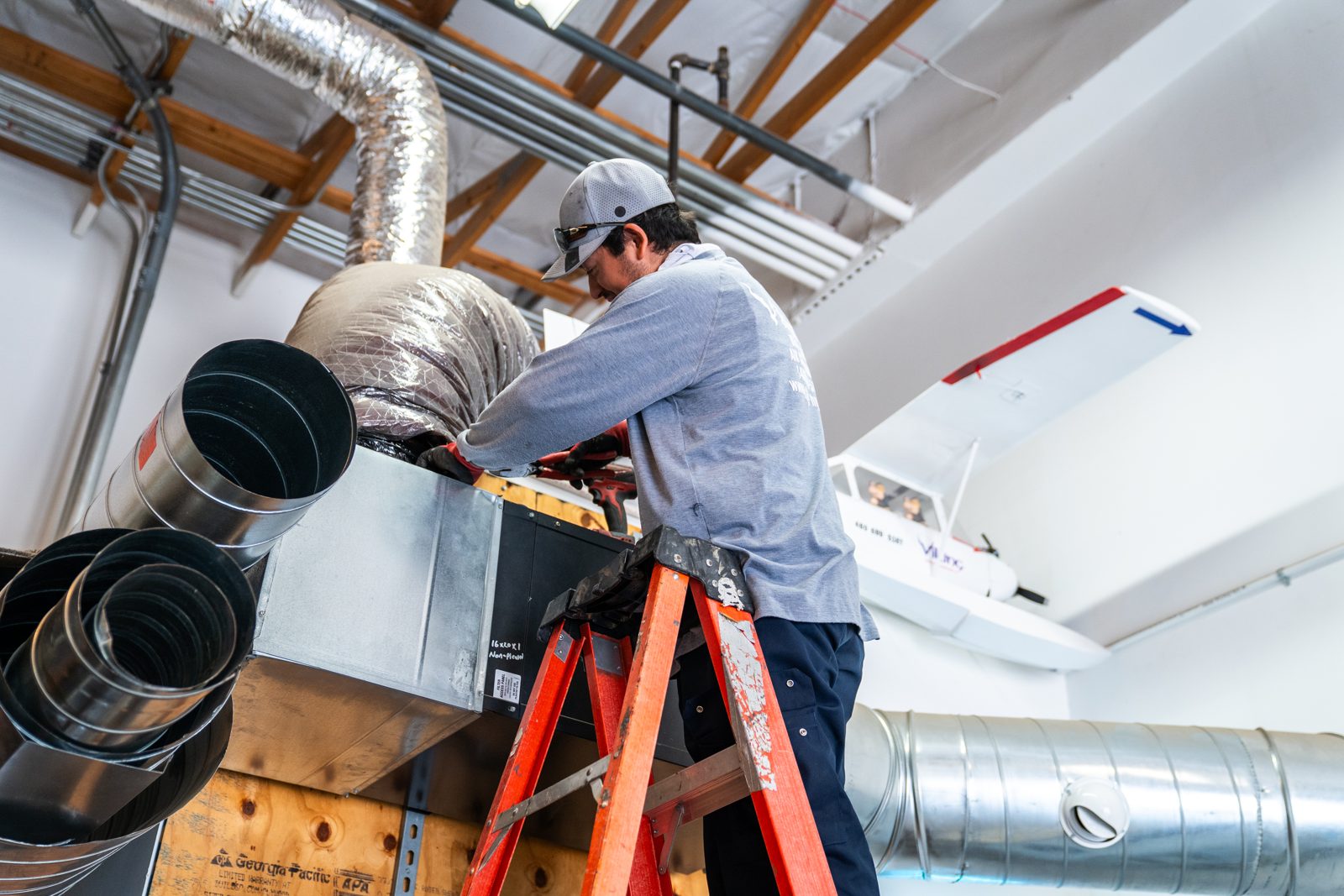
Your new system must be properly connected to existing ductwork or new ductwork installed as needed. This includes secure connections, proper sealing, and adequate support for Phoenix Valley's extreme conditions.
System Commissioning and Testing
Proper commissioning ensures your new system operates at peak efficiency and reliability from day one.
Initial Startup Procedures
System startup involves carefully bringing your new AC system online while monitoring all critical parameters. This includes checking electrical connections, refrigerant levels, and airflow rates.
Performance Testing
Comprehensive performance testing verifies that your system meets manufacturer specifications and design requirements. This includes temperature measurements, airflow testing, and electrical consumption verification.
Refrigerant Charging
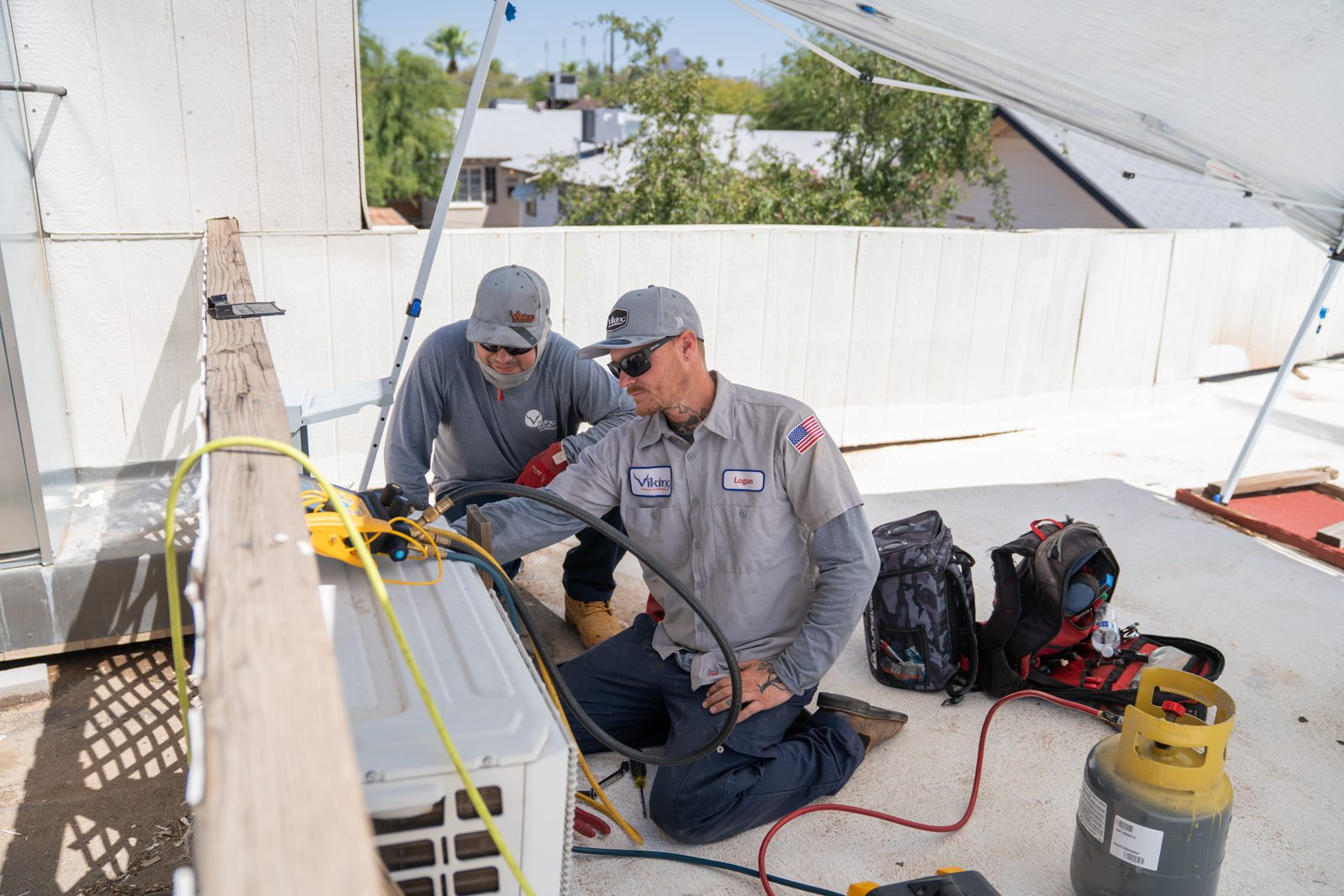
Proper refrigerant charge is critical for efficient operation in Phoenix Valley's extreme heat. Professional installers use precise measurement tools to ensure optimal refrigerant levels for peak performance.
Airflow Adjustment
Proper airflow must be verified and adjusted to ensure even cooling throughout your home. This is particularly important in Phoenix Valley, where inadequate airflow can cause hot spots and system stress.
Control System Programming
Modern AC systems include sophisticated controls that must be properly programmed for Phoenix Valley conditions. This includes thermostat setup, smart system integration, and optimization for local utility programs.
Frequently Asked Questions
Q: How long does AC installation typically take in Phoenix Valley? A: Standard installations typically take 6-8 hours, but complex installations requiring electrical upgrades or ductwork modifications may take 10-12 hours or multiple days. Phoenix Valley's extreme heat can extend installation time as crews take safety breaks.
Q: What should I do to prepare my home for AC installation? A: Clear access paths to equipment locations, remove belongings from work areas, secure pets, and ensure electrical panel access. For Phoenix Valley installations, provide water for installation crews and prepare for temporary power outages.
Q: Will I have cooling during the installation process? A: You'll be without cooling during installation, typically 6-8 hours. Plan accordingly, especially during extreme heat periods. Consider portable cooling units for critical areas or arrange alternative accommodations if needed.
Q: How do I know if my installation is being done correctly? A: Professional installers should follow manufacturer specifications, use proper tools and techniques, test all systems thoroughly, and provide complete documentation. Don't hesitate to ask questions about procedures and requirements.
Q: What permits are required for AC installation in Phoenix Valley cities? A: Most cities require permits for AC installation, which your contractor should handle. Permit requirements vary by city, but typically include electrical and mechanical permits with required inspections.
Q: What warranty coverage should I expect with my new installation? A: Equipment typically includes manufacturer warranties (5-10 years on major components), while installation work should include contractor warranties (1-2 years). Ensure all warranty information is clearly documented.
HVAC Services Near You
Need HVAC Service in Chandler?
Contact Viking Heating and Air Conditioning today for hvac installation services in Chandler, AZ.