Dust Storm HVAC Damage Assessment: Check Your System Now

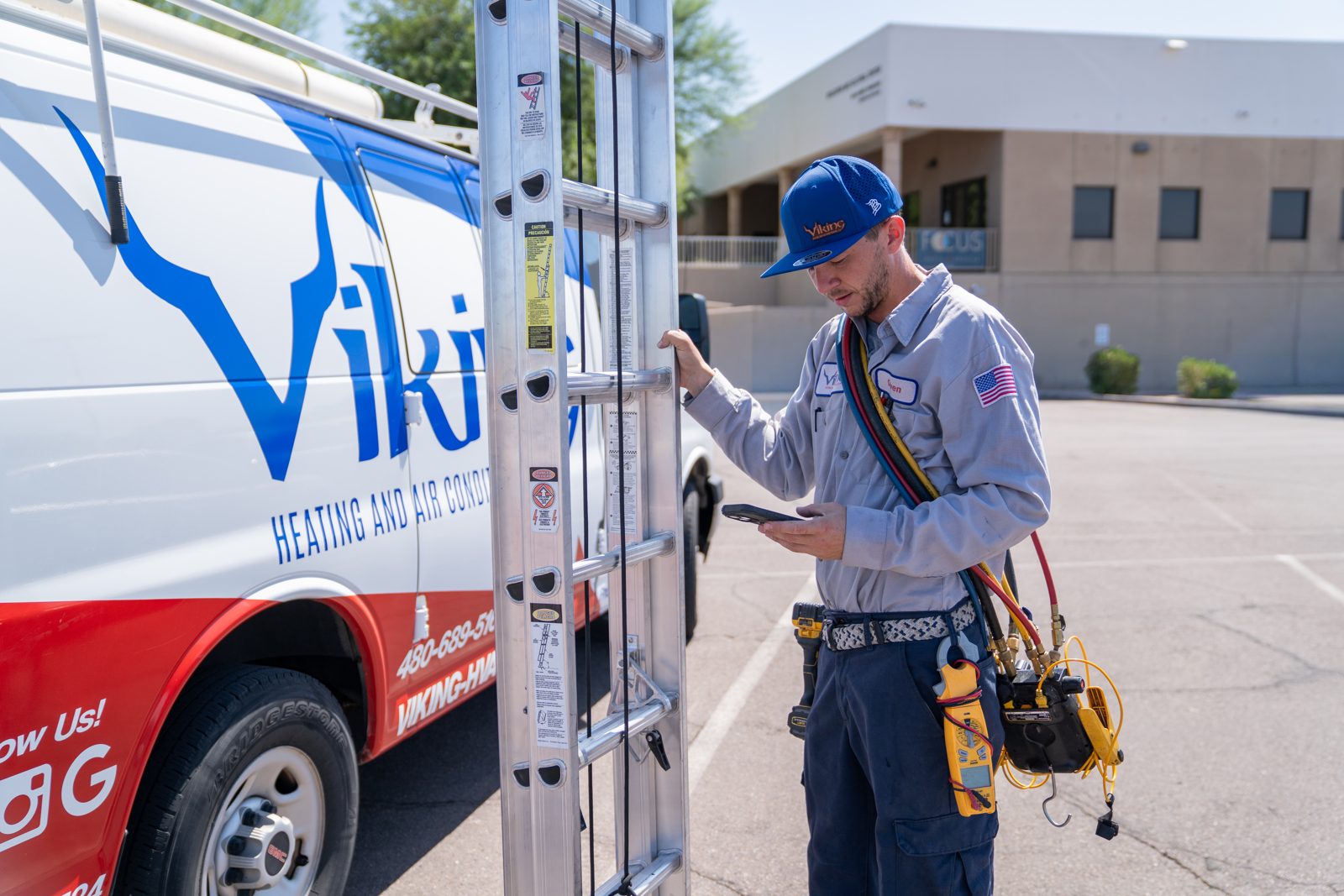
The Phoenix East Valley just experienced significant blowing dust conditions over the past 48 hours, with wind gusts reaching 32 mph that stirred up massive amounts of desert particulates across Chandler and surrounding communities. If your air conditioning system struggled through yesterday's dusty conditions or you noticed reduced airflow, your HVAC equipment may have sustained damage that requires immediate attention. Viking Heating and Air Conditioning has been helping East Valley homeowners recover from dust storm damage since 2016, and we're here to guide you through the critical post-storm assessment your system needs right now.
Immediate Action Summary for Chandler Homeowners After yesterday's dust storm with 32 mph winds, Viking Heating and Air Conditioning recommends checking HVAC filters immediately, inspecting outdoor units for debris, and monitoring system performance. Dust can clog filters within hours and significantly reduce cooling efficiency. Call (480) 689-5167 for emergency service if your AC shows signs of struggle or damage.
Understanding Dust Storm Impact on HVAC Systems
Arizona's dust storms, known locally as haboobs, create some of the most challenging conditions for residential HVAC systems anywhere in the country. The recent dust event that swept through Chandler demonstrates exactly why these weather phenomena pose such serious threats to home comfort systems. According to data from the National Weather Service Phoenix, dust storms in our region can reduce visibility to near zero and deposit enormous amounts of particulate matter across the landscape.
When wind gusts reach 32 mph as they did in yesterday's event, fine dust particles become airborne and infiltrate HVAC systems through multiple pathways. Even well-sealed homes experience dust intrusion, and the microscopic particles that characterize Arizona dust storms can penetrate standard filtration systems with remarkable efficiency.
The immediate impact on your air conditioning system begins with filter saturation. Standard residential HVAC filters can become completely clogged within 2-4 hours of a significant dust event, forcing your system to work exponentially harder to move air through your home. This increased workload doesn't just reduce comfort—it can cause immediate damage to critical components.
Your outdoor condenser unit faces even greater exposure. The combination of high winds and dust creates a sandblasting effect that can damage condenser coils, clog cooling fins, and deposit debris inside the unit housing. Fan motors, which are designed to handle normal outdoor conditions, can suffer bearing damage when forced to operate in dust-laden air for extended periods.
Key Takeaway: Dust storms create immediate threats to HVAC systems through filter clogging, coil contamination, and component damage. The recent 32 mph wind event in Chandler represents exactly the type of conditions that require immediate post-storm system assessment.
Critical Post-Storm System Checks
The 48-hour window following a dust storm represents a critical assessment period for your HVAC system. During this timeframe, problems that may seem minor can rapidly develop into major repair issues if left unaddressed. Your immediate priority should focus on air quality system evaluation and basic component inspection.
Start with your air filters—this is the most crucial check you can perform. Remove filters from all return air vents and inspect them visually. If filters appear gray, brown, or completely saturated with dust, they need immediate replacement. Don't attempt to clean disposable filters; the microscopic dust particles that penetrate during storms cannot be effectively removed and will continue restricting airflow.
Next, examine your outdoor condenser unit. Look for visible dust accumulation on the condenser coils (the metal fins surrounding the unit), debris around the base, and any signs of damage to the protective grille or housing. If you notice significant dust coating on the coils, this requires professional cleaning to restore proper heat transfer efficiency.
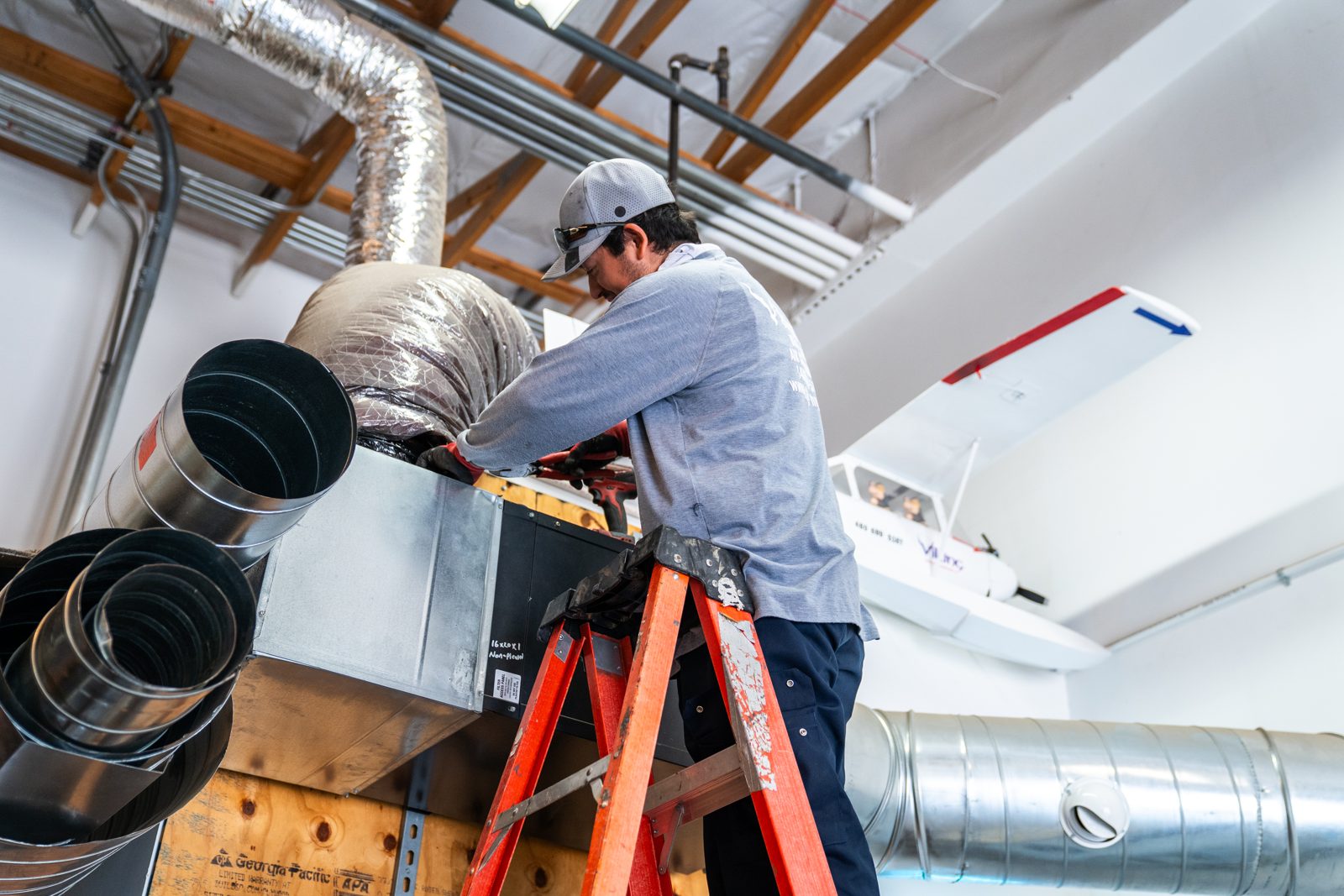
Indoor air quality assessment becomes equally important after dust events. Check all supply vents throughout your home for dust accumulation or reduced airflow. If you notice dust blowing from vents when the system runs, this indicates that dust has infiltrated your ductwork system and may require professional ductwork services.
Listen carefully to your system operation. Unusual noises such as grinding, squealing, or rattling sounds often indicate that dust has affected moving components like fan motors or blower assemblies. These symptoms require immediate professional attention to prevent permanent damage.
Monitor your system's cooling performance closely over the next several days. If your home takes longer to reach set temperatures or if certain rooms aren't cooling effectively, dust infiltration may have reduced system efficiency significantly.
Key Takeaway: The 48-hour post-storm period is critical for identifying HVAC damage. Immediate filter inspection, outdoor unit assessment, airflow monitoring, and performance evaluation can prevent minor issues from becoming major repairs.
Filter Replacement and Emergency Protocols
Arizona's dust conditions require a completely different approach to HVAC filter management compared to other regions. The recent dust storm exemplifies why standard filter replacement schedules don't apply during active weather events. In normal conditions, Arizona homeowners should change filters every 60-90 days, but dust storms can saturate filters in a matter of hours.
After yesterday's blowing dust conditions, every HVAC system in the East Valley should receive immediate filter inspection regardless of when filters were last changed. The microscopic particles that characterize Arizona dust storms can penetrate standard filters more effectively than larger debris, creating a situation where filters may appear only moderately dirty while actually being severely compromised.
When selecting replacement filters post-storm, consider upgrading to higher-efficiency options temporarily. MERV 8-11 filters provide enhanced dust capture while maintaining adequate airflow for residential systems. However, avoid jumping to MERV 13+ filters without consulting a professional, as these can restrict airflow in systems not designed for high-efficiency filtration.
The Environmental Protection Agency provides comprehensive guidance on indoor air quality management during dust events. Their recommendations emphasize the importance of maintaining proper filtration while avoiding system strain from over-filtration.
Emergency protocols should activate when you discover severely compromised filters or notice significant system performance degradation. Turn off your HVAC system immediately if you observe dust blowing from supply vents, hear grinding noises, or notice a complete loss of cooling capacity. Continued operation under these conditions can cause permanent damage to expensive components like compressors and heat exchangers.
Document any unusual conditions with photos and notes. This information helps HVAC professionals diagnose problems more efficiently and can be valuable for insurance purposes if significant damage has occurred.
Professional Assessment and Repair Services
While homeowners can perform basic post-storm checks, comprehensive system assessment requires professional expertise. The complexity of modern HVAC systems means that dust damage isn't always immediately apparent, and seemingly minor issues can indicate more serious underlying problems.
Viking Heating and Air Conditioning's emergency response protocols activate immediately following significant weather events like yesterday's dust storm. Our certified technicians understand the specific ways dust affects different system components and can identify problems that homeowners might miss during basic inspections.
Professional assessment begins with comprehensive filter system evaluation, including checking for bypass leaks that allow unfiltered air into your ductwork. Technicians examine blower assemblies for dust accumulation that can cause bearing damage and motor failure. Evaporator coil inspection reveals whether dust has penetrated deep enough into the system to require professional cleaning.
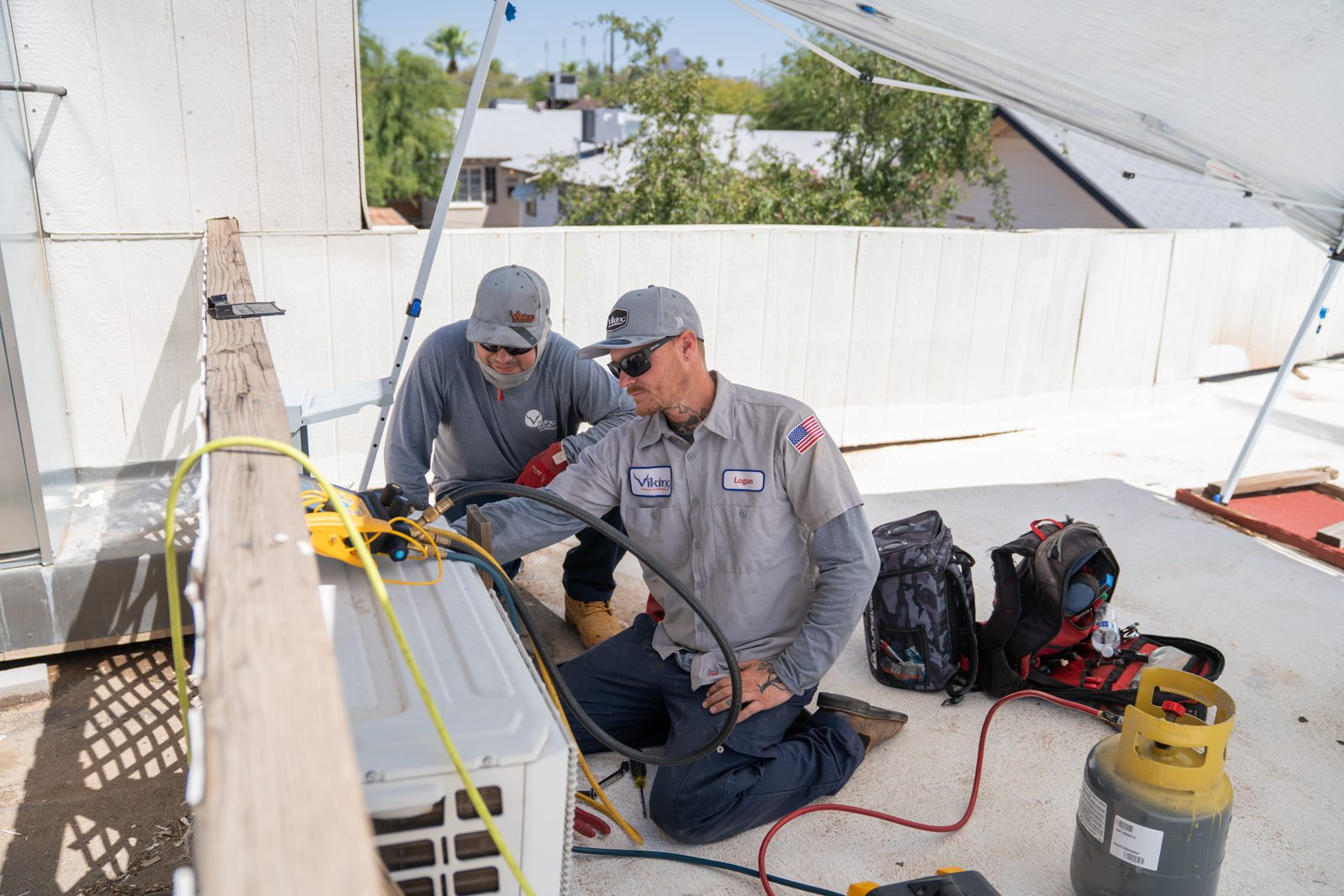
Outdoor unit assessment involves more than visual inspection. Professionals can measure refrigerant pressures, evaluate electrical connections that may have been affected by dust infiltration, and assess whether condenser coil cleaning is necessary to restore proper system operation.
Our preventative maintenance programs include specific dust storm recovery protocols. These services ensure that your system returns to optimal operation quickly while identifying any damage that could lead to future failures.
Key Takeaway: Professional post-storm assessment identifies hidden damage that can cause future system failures. Comprehensive evaluation includes components beyond filters and visible areas, ensuring complete system recovery and preventing expensive surprise repairs.
Long-term Protection Strategies
The recent dust storm serves as a powerful reminder that Arizona HVAC systems require specialized protection strategies beyond standard maintenance approaches. Developing a comprehensive dust mitigation plan now can prevent similar damage during future weather events.
Upgraded filtration represents the most effective long-term protection strategy. Consider installing a whole-house air purification system that provides enhanced particle capture without restricting system airflow. These systems work in conjunction with standard filters to create multiple layers of protection against dust infiltration.
Smart home technology can provide early warning of dust-related problems. Advanced thermostats with air quality monitoring can alert you to filtration issues before they cause system damage. These systems can also optimize operation during dust events to minimize exposure while maintaining indoor comfort.
Landscape modifications around your outdoor unit can significantly reduce dust accumulation during wind events. Creating windbreaks using appropriate desert vegetation or hardscaping can deflect wind-blown particles away from critical system components.
Regular professional maintenance becomes even more critical in Arizona's dusty environment. Systems that receive consistent care, including seasonal coil cleaning and component inspection, demonstrate much better resilience to dust storm damage. The Energy Star program emphasizes that well-maintained systems operate substantially more efficiently than neglected equipment.
Consider upgrading to newer, more dust-resistant equipment if your current system is approaching the 12-15 year replacement point typical for Arizona installations. Modern systems include improved filtration integration and component protection that better withstands desert conditions.
Economic Impact and Prevention Costs
Understanding the true cost of dust storm damage helps homeowners make informed decisions about protection investments. Yesterday's dust event represents exactly the type of weather that can cause expensive HVAC repairs if systems aren't properly maintained and protected.
Minor dust damage, such as filter replacement, basic cleaning, and minor component service, costs considerably less than major damage like component replacement, ductwork cleaning, and system restoration. Compressor damage from dust-related overheating can require complete system replacement, the most expensive outcome and one homeowners want to avoid through early intervention.
Prevention costs pale in comparison to repair expenses. Upgrading to high-quality filtration and enrolling in annual maintenance are a fraction of the cost of major repair scenarios, making prevention a cost-effective investment rather than an optional extra.
Insurance coverage for dust damage varies significantly between policies and may not cover damage that insurers consider preventable through proper maintenance. Documenting regular maintenance and having professional assessments after weather events can support coverage claims when they occur.
The broader economic impact extends beyond direct repair costs. Dust-damaged systems operate less efficiently, increasing energy consumption during Arizona's expensive peak cooling season. A system running with compromised filtration uses noticeably more energy during summer months, adding to utility bills.
Key Takeaway: Dust storm damage prevention costs significantly less than repair expenses. Investing in proper filtration, regular maintenance, and professional assessments provides substantial economic benefits compared to addressing major damage after it occurs.
Looking Ahead: This Week's Weather and System Recovery
The forecast for the remainder of this week shows temperatures climbing back toward 97°F according to National Weather Service Phoenix data, which means your HVAC system will face increased demands just as it's potentially recovering from yesterday's dust storm impact. This timing creates a critical situation where damaged or compromised systems may struggle to maintain comfort during higher cooling loads.
Monday through Tuesday will see temperatures in the mid-90s with sunny conditions and light winds. This represents ideal conditions for assessing your system's performance after implementing any necessary filter changes or cleaning from the dust event. If your system struggles to maintain set temperatures during this moderate heat, it indicates more serious damage that requires immediate professional attention.
Wednesday brings a slight chance of rain showers with temperatures dropping to 85°F, followed by a return to sunny conditions in the upper 80s to low 90s through the weekend. This brief cooling period provides an excellent opportunity for any necessary repair work, as your system won't face peak demand conditions.
For systems that sustained damage during the dust storm, this week's weather pattern offers a manageable recovery period before the intense heat of late spring and summer arrives. Taking action now prevents minor damage from becoming major failures during periods when replacement parts and service appointments become more difficult to obtain.
The absence of additional dust storm risks this week means that any cleaning or repairs completed now should remain effective through the upcoming temperature increase. However, the transition into Arizona's primary cooling season makes this an ideal time to schedule comprehensive air conditioning maintenance if your system showed any signs of stress during the recent dust event.
Monitor your system carefully as temperatures rise. Any signs of reduced capacity, unusual noises, or increased cycling frequency should prompt immediate professional consultation to prevent system failure during peak demand periods.
Serving Chandler & the Phoenix East Valley
- Air Quality in Downtown Chandler
- Air Quality in Ocotillo
- Air Quality in Sun Lakes
- Air Quality in Andersen Springs
- Air Quality in Cooper Commons
- Air Quality in Clemente Ranch
- Air Quality in Chandler Heights
- Air Quality in Riggs Ranch
- Air Quality in Circle G
- Air Quality in Fulton Ranch
- Carino Estates
- Air Quality in Springfield Lakes
- Air Quality in South Chandler
- Air Quality in West Chandler
- Air Quality in North Chandler
Don't let yesterday's dust storm damage compromise your home comfort as temperatures rise this week. Viking Heating and Air Conditioning provides 24/7 emergency service throughout Chandler and the Greater Phoenix area, with certified technicians ready to assess and repair any dust-related HVAC damage. As a family-owned business with 340+ five-star reviews and AZ ROC license #316534, we understand exactly how Arizona weather affects your home comfort systems. Our Champion Authorized Dealer and Mitsubishi Diamond Contractor technicians service all major brands, including Trane and American Standard equipment, and can quickly restore your system to peak performance. Call (480) 689-5167 today for immediate post-storm system assessment and ensure your AC is ready for the warmer weather ahead.
HVAC Services Near You
Frequently Asked Questions
How do dust storms damage HVAC systems in Arizona?
Dust storms can clog air filters within hours, coat evaporator coils and reduce cooling efficiency, damage fan motors, and fill ductwork with debris. Systems working harder during dust events may experience compressor strain and shortened equipment life.
What should I check on my AC after a dust storm?
Check and replace air filters immediately, inspect outdoor unit for debris accumulation, listen for unusual noises, monitor cooling performance, and check vents for dust buildup. If airflow seems reduced or the system struggles to cool, call for professional service.
How often should I change HVAC filters during Arizona dust season?
During active dust seasons, check filters weekly and replace every 30-45 days instead of the typical 60-90 days. After major dust storms, inspect filters within 24-48 hours as they may need immediate replacement.
Can dust storms cause permanent HVAC damage?
Yes, dust infiltration can cause permanent damage including coil corrosion, fan motor bearing failure, and ductwork contamination. However, most damage is preventable with proper filtration, regular maintenance, and prompt post-storm system checks.
Should I run my AC during a dust storm?
Minimize AC usage during active dust storms when possible. If you must run it, use recirculation mode, ensure windows and doors are sealed, and plan to check filters immediately after the storm passes.
How much does dust storm HVAC damage repair cost in Arizona?
Repair costs vary depending on the extent of dust infiltration, from basic filter replacement and coil cleaning up to major component replacement like fan motors or coils. Prevention through regular maintenance is much more cost-effective than repair after the fact.
Need HVAC Service in Chandler?
Contact Viking Heating and Air Conditioning today for air quality services in Chandler, AZ.