Emergency AC Repair in Chandler, AZ: When to Call and What to Expect
When your air conditioner stops working in Chandler during a 115-degree summer afternoon, it's not just an inconvenience — it's a potential safety emergency. Temperatures inside an uncooled Arizona home can reach dangerous levels within hours, putting children, elderly family members, and pets at serious risk. Knowing what causes AC breakdowns, what you can check before calling for service, and when to call for emergency repair ensures your family stays safe.
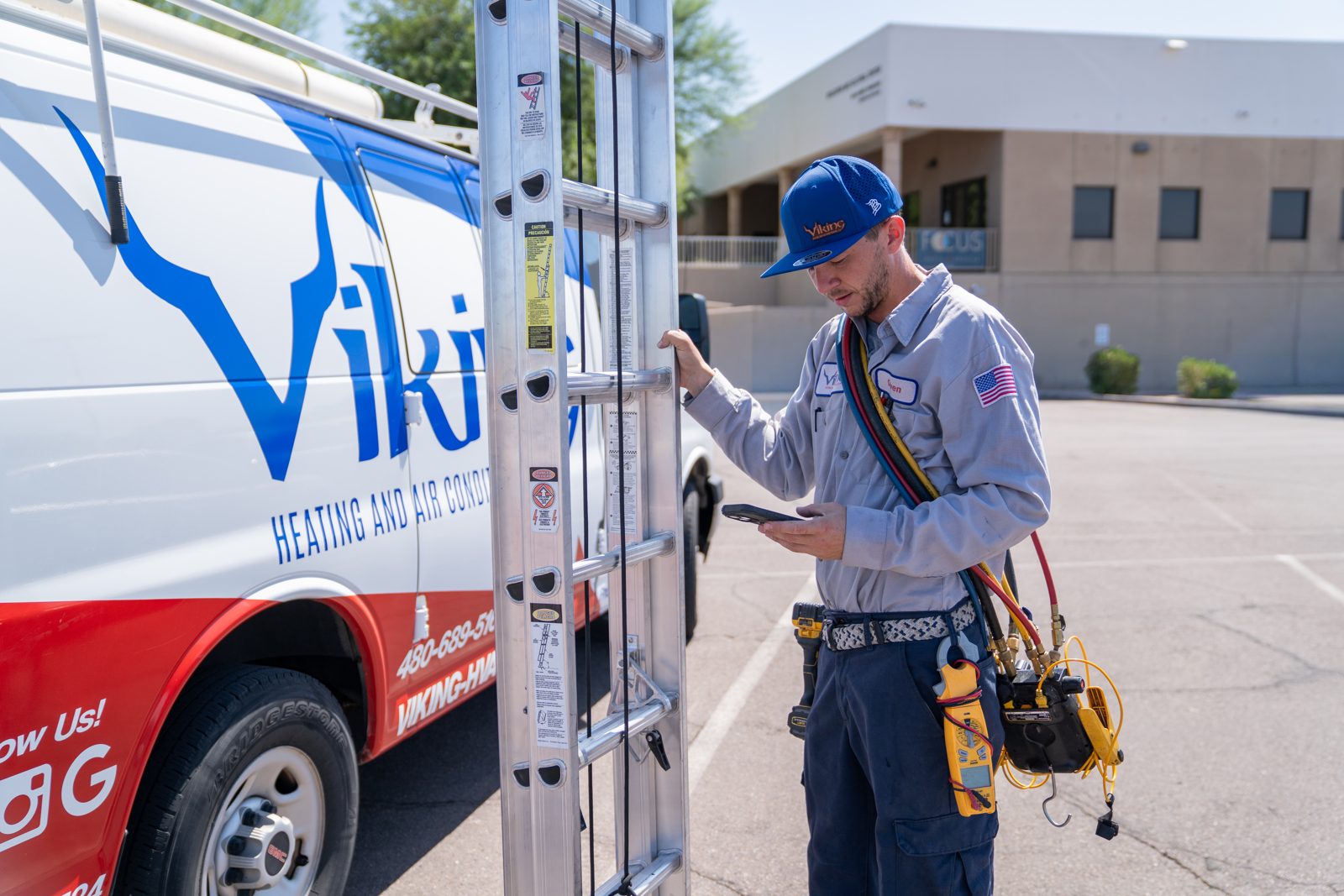
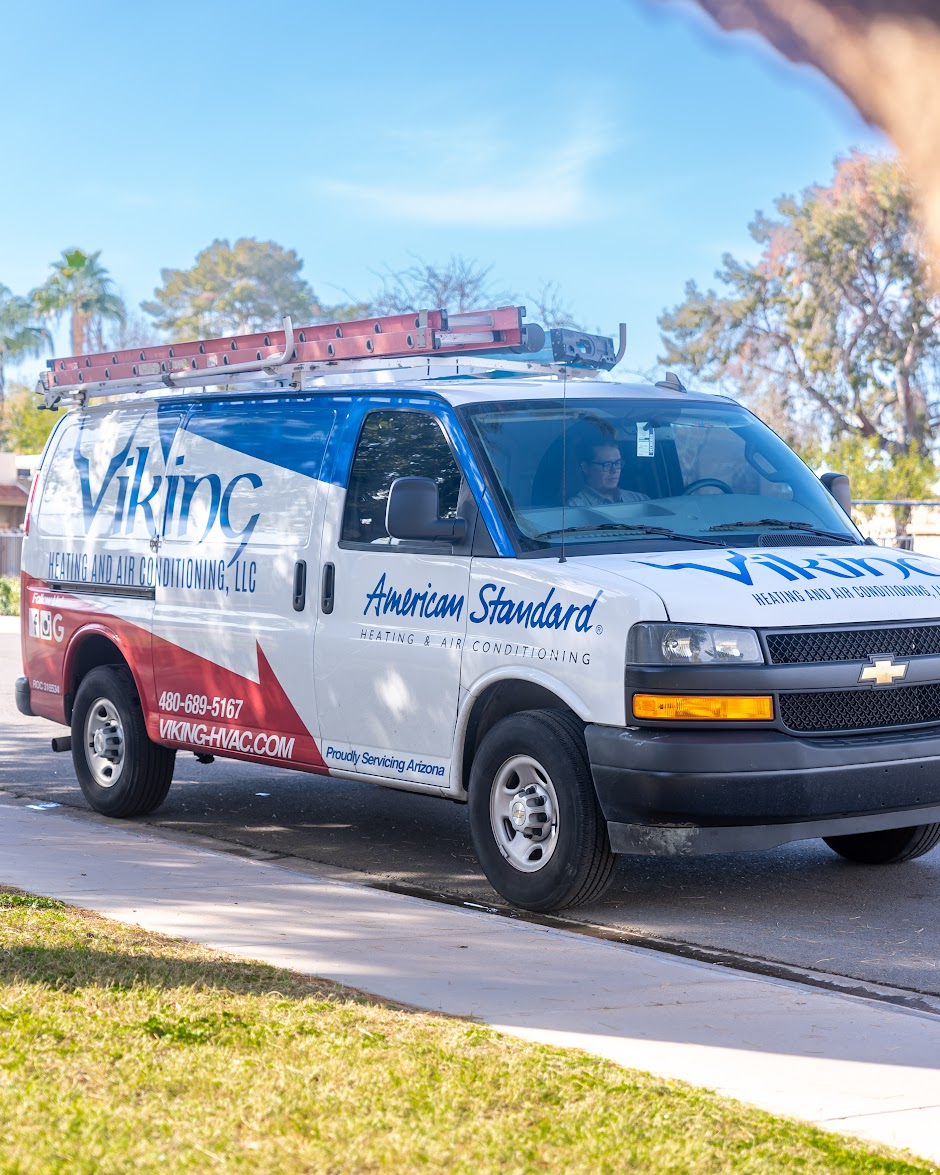
Viking Heating & Air Conditioning provides 24/7 emergency AC repair throughout Chandler, Gilbert, Mesa, Phoenix, Scottsdale, Queen Creek, and Tempe. Our technicians understand the urgency of AC failures in Arizona's extreme climate and respond quickly to restore your home's cooling.
Common Causes of AC Breakdowns in Chandler
Arizona's intense heat pushes AC systems harder than almost any other climate in the country. Understanding what typically goes wrong helps you recognize problems early and communicate effectively with your repair technician.
Refrigerant Leaks
Refrigerant is the lifeblood of your cooling system. When levels drop due to leaks, your AC loses cooling capacity progressively — you may notice warm air from vents, ice forming on refrigerant lines, or hissing sounds near the outdoor unit. In Arizona's heat, even a small leak quickly becomes a major comfort problem as your system can't keep up with cooling demands.
Frozen Evaporator Coils
Paradoxically, your AC can freeze even in 115-degree heat. Restricted airflow from dirty filters, blocked vents, or blower motor problems causes the evaporator coil to drop below freezing, forming ice that blocks airflow entirely. Low refrigerant levels also cause coil freezing. A frozen system provides no cooling and can damage the compressor if allowed to run.
Electrical Failures
Frequent cycling (turning on and off rapidly), tripped breakers, or complete power loss to your AC system often indicate electrical problems. Faulty capacitors, worn contactors, loose wiring, and damaged circuit boards are common electrical failure points, especially in older systems stressed by Arizona's extreme operating conditions.
Compressor Failure
The compressor is your AC's most critical and expensive component. When it fails, your system cannot cool at all. Warning signs include unusual noises (grinding, clunking), the outdoor unit running but not cooling, or the system refusing to start. Compressor failure in older systems usually makes replacement the more cost-effective choice over repair.
Clogged Condensate Drain Lines
Arizona's monsoon season humidity combined with constant AC operation creates significant condensate that must drain properly. Clogged drain lines cause water backup that can trigger safety switches (shutting your system off), cause water damage to ceilings and walls, and create conditions for mold growth.
DIY Troubleshooting Before Calling for Service
Before calling for emergency repair, check these common issues that you can resolve yourself:
Quick Fixes to Try First
- Check your thermostat — Verify it's set to "cool" mode, the temperature is set below current room temperature, and batteries are fresh (if applicable)
- Check your air filter — A completely clogged filter can cause system shutdown. Replace it and restart your system
- Check your circuit breaker — Look for a tripped breaker in your electrical panel. Reset it once — if it trips again, stop and call a professional (repeated tripping indicates an electrical problem)
- Check for ice — If you see ice on the refrigerant lines or indoor coil, turn off the system and set the fan to "on" to allow melting. Call for service to address the underlying cause
- Check outdoor unit — Ensure the outdoor unit is running and not blocked by debris, furniture, or vegetation. Clear at least 2 feet of space around all sides
When These Fixes Don't Work
If your system still isn't cooling after checking the basics, you likely have a problem requiring professional diagnosis and repair. Don't continue running a malfunctioning system — it can cause additional damage and increase repair costs.
When to Call for Emergency AC Repair
Some situations demand immediate professional response. Call for emergency service if you experience:
No Cooling at All
Your system is running but producing warm air, or it won't turn on at all. In Arizona's extreme heat, a home without cooling becomes dangerous within 2-4 hours during peak summer temperatures.
Burning Smells or Smoke
Shut off your system immediately if you smell burning or see smoke. This indicates an electrical problem that poses a fire hazard. Do not attempt to restart the system — call for emergency service.
Strange or Loud Noises
Grinding, screeching, or banging sounds indicate mechanical failure in progress. Continuing to run the system risks catastrophic damage to expensive components. Turn off the system and call for service.
Water Leaks
Significant water pooling around your indoor unit suggests drainage problems, frozen coils, or component failures that can cause structural water damage if not addressed quickly.
Dangerously High Indoor Temperatures
If indoor temperatures exceed 90°F and your system cannot bring them down, call for emergency service — especially if children, elderly family members, or people with health conditions are in the home.
What to Expect from Emergency AC Repair
Viking HVAC's Emergency Response
When you call Viking HVAC for emergency service, here's what happens:
- Phone assessment — Our team asks targeted questions to understand your situation and prioritize appropriately
- Same-day dispatch — A qualified technician is dispatched to your home
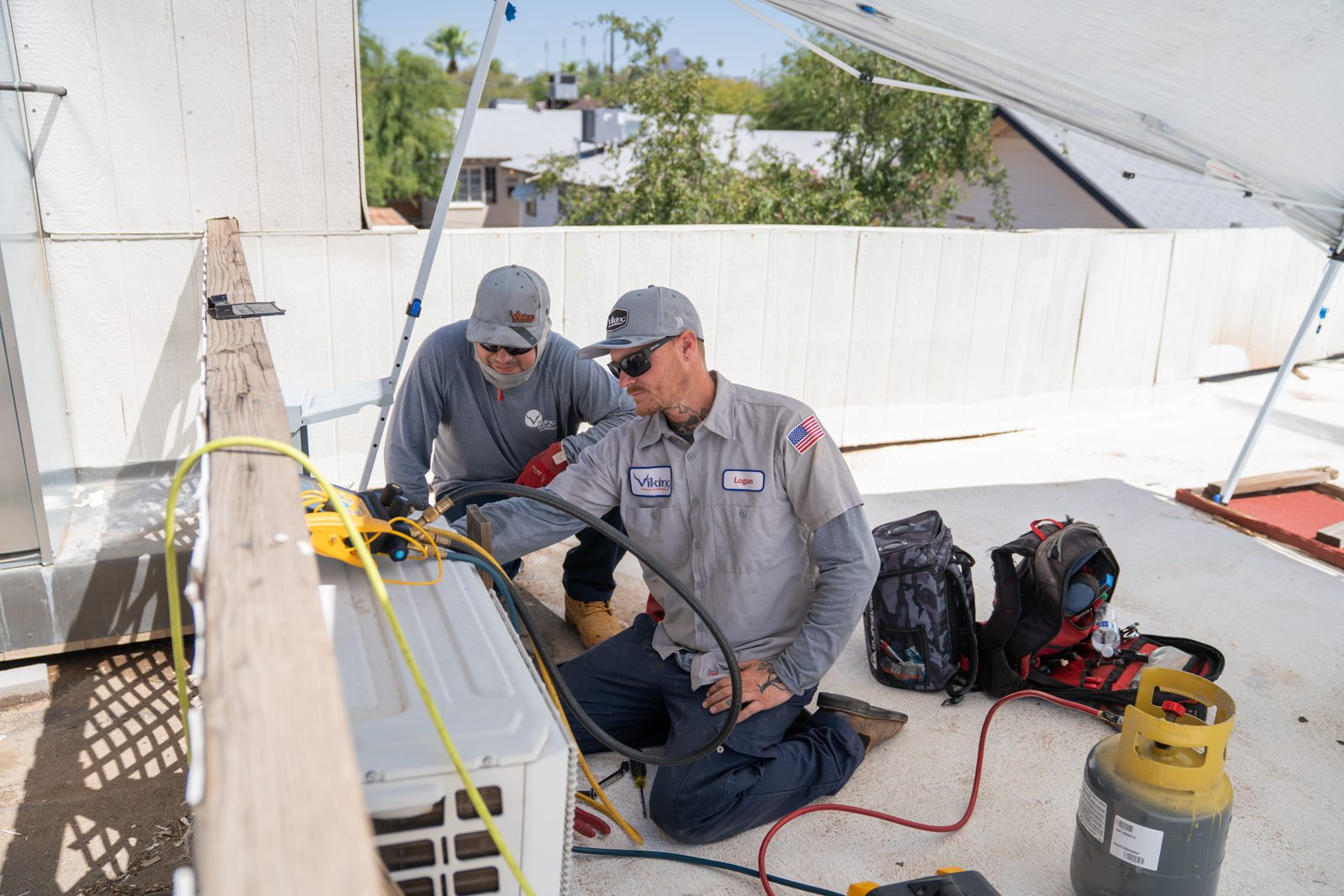
- Professional diagnosis — The technician systematically evaluates your system to identify the root cause
- Transparent estimate — Before any work begins, you receive a clear explanation of the problem and the cost to repair it
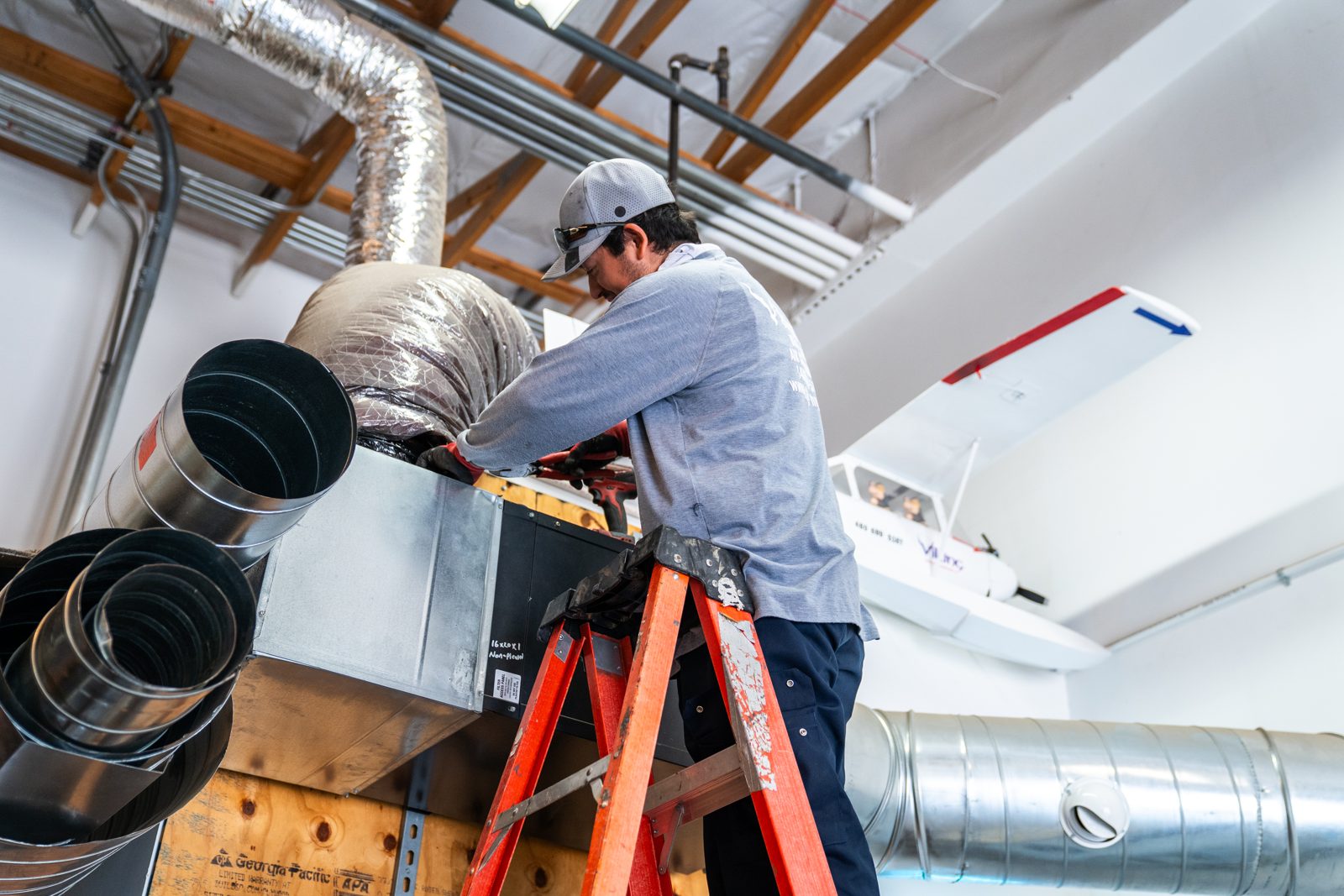
- Expert repair — Work is completed using quality parts and proper procedures
- System testing — Your system is verified to operate correctly before the technician leaves
Temporary Cooling Strategies While Waiting
If you're waiting for emergency service during extreme heat:
- Close blinds and curtains to block solar heat gain
- Use portable fans to circulate air
- Stay hydrated and move to the coolest room in the house
- Avoid using heat-generating appliances (ovens, dryers)
- Consider relocating to a cooled location if temperatures become dangerous
- Place damp towels on skin for evaporative cooling
- Check on elderly neighbors who may also be affected
Frequently Asked Questions
How quickly can Viking HVAC respond to emergency AC calls in Chandler?
Viking HVAC provides same-day emergency response throughout Chandler and the Phoenix Metro Valley. During peak summer months, we prioritize emergency calls based on safety urgency. Complete system failures during extreme heat receive the highest priority to protect families from dangerous conditions.
How much does emergency AC repair cost in Chandler?
Emergency repair costs depend on the specific problem, parts required, and time needed. Smaller fixes like capacitor replacement, refrigerant recharge, or drain line clearing typically cost far less than major component work like compressor replacement. Viking HVAC provides a transparent estimate before beginning any work — you always know the cost before authorizing repairs.
Should I turn off my AC if it's making strange noises?
Yes. Turn off your system if you hear grinding, screeching, banging, or other unusual sounds. Continuing to run a malfunctioning system can cause secondary damage that significantly increases repair costs. Call for professional diagnosis before restarting.
Can I prevent AC emergencies in Chandler's extreme heat?
Regular professional maintenance is the most effective prevention strategy. Annual tune-ups catch developing problems before they cause failures. Additionally, changing your air filter every 30-60 days during summer, keeping the outdoor unit clear of obstructions, and monitoring system performance for changes helps prevent emergency breakdowns.
Is it worth repairing my AC or should I replace it during an emergency?
If your system is under 10 years old and the repair cost is relatively low, repair is usually the better choice. For systems over 12 years old, especially if the repair involves major components like compressors, replacement often makes more financial sense. Viking HVAC provides honest recommendations — we won't push replacement when repair is the right answer.
What should I do if my AC breaks down on a weekend or holiday?
Call Viking HVAC at (480) 689-5167. We provide 24/7 emergency service including weekends and holidays. Arizona's heat doesn't take days off, and neither do we when your family's comfort and safety are at stake.
HVAC Services Near You
Frequently Asked Questions
How quickly can Viking HVAC respond to emergency AC calls in Chandler?
Viking HVAC provides same-day emergency response throughout Chandler and the Phoenix Metro Valley. During peak summer months, we prioritize emergency calls based on safety urgency. Complete system failures during extreme heat receive the highest priority to protect families from dangerous conditions.
How much does emergency AC repair cost in Chandler?
Emergency repair costs depend on the specific problem, parts required, and time needed. Smaller fixes like capacitor replacement, refrigerant recharge, or drain line clearing typically cost far less than major component work like compressor replacement. Viking HVAC provides a transparent estimate before beginning any work — you always know the cost before authorizing repairs.
Should I turn off my AC if it's making strange noises?
Yes. Turn off your system if you hear grinding, screeching, banging, or other unusual sounds. Continuing to run a malfunctioning system can cause secondary damage that significantly increases repair costs. Call for professional diagnosis before restarting.
Can I prevent AC emergencies in Chandler's extreme heat?
Regular professional maintenance is the most effective prevention strategy. Annual tune-ups catch developing problems before they cause failures. Additionally, changing your air filter every 30-60 days during summer, keeping the outdoor unit clear of obstructions, and monitoring system performance for changes helps prevent emergency breakdowns.
Is it worth repairing my AC or should I replace it during an emergency?
If your system is under 10 years old and the repair cost is relatively low, repair is usually the better choice. For systems over 12 years old, especially if the repair involves major components like compressors, replacement often makes more financial sense. Viking HVAC provides honest recommendations — we won't push replacement when repair is the right answer.
What should I do if my AC breaks down on a weekend or holiday?
Call Viking HVAC at (480) 689-5167. We provide 24/7 emergency service including weekends and holidays. Arizona's heat doesn't take days off, and neither do we when your family's comfort and safety are at stake.
Need HVAC Service in Chandler?
Contact Viking Heating and Air Conditioning today for repairs services in Chandler, AZ.