HVAC System Replacement Guide: When, Why, and How to Upgrade Your Arizona Home
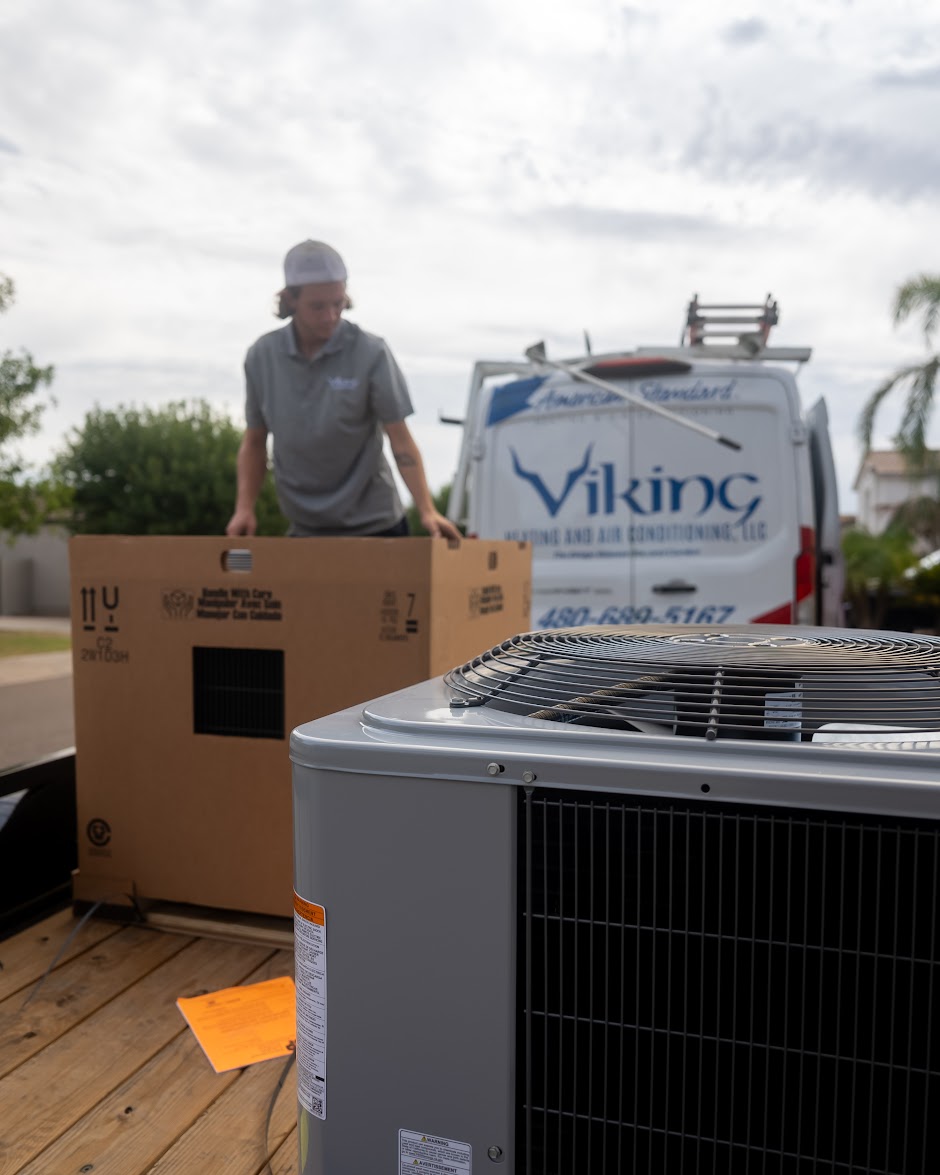
Your HVAC system is one of the most critical investments in your Arizona home. In the Phoenix Valley, where cooling demands push equipment harder than almost anywhere else in the country, knowing when to repair and when to replace can save you thousands in emergency costs, energy waste, and uncomfortable nights waiting for service during peak summer demand.
Viking Heating & Air Conditioning has helped homeowners across Chandler, Gilbert, Mesa, Phoenix, Scottsdale, Queen Creek, and Tempe make informed replacement decisions since 2016. This guide walks you through the signs, timing, process, and financial considerations so you can approach your HVAC replacement with confidence.
Signs Your HVAC System Needs Replacement
Even well-maintained systems eventually reach the end of their useful life. Recognizing the warning signs early gives you time to plan a replacement on your schedule rather than facing an emergency during Arizona's extreme heat.
System Age
The typical HVAC system lifespan in the Phoenix Valley is 10-15 years — shorter than the 15-20 year national average due to our extreme operating conditions. Arizona systems run 2,500-3,500+ hours annually compared to 1,000-1,500 hours in moderate climates. If your system is approaching or past the 12-year mark, proactive replacement planning is wise.
Rising Energy Bills
As systems age, efficiency declines. If your energy bills have risen noticeably without a corresponding increase in usage or utility rates, your HVAC system is likely consuming more electricity to deliver the same cooling output. Modern high-efficiency systems can meaningfully reduce cooling costs compared to aging equipment.
Frequent Repairs
The general rule: if a single repair represents a substantial fraction of the cost of a new system, or if repair costs over the past year have added up significantly, replacement is often the better financial decision. Frequent repairs also indicate cascading component failures that will continue worsening.
Inconsistent Temperatures
Hot and cold spots throughout your home suggest your system can no longer distribute conditioned air effectively. While ductwork issues can cause this, an aging system losing capacity is often the root cause — particularly if your home cooled evenly when the system was newer.
Unusual Noises or Odors
Grinding, squealing, rattling, or banging noises indicate mechanical failure in progress. Burning smells or musty odors suggest electrical problems or biological growth within the system. Both warrant immediate professional evaluation and often indicate replacement-level issues.
R-22 Refrigerant
If your system still uses R-22, replacement is strongly recommended. R-22 production ended in 2020, and remaining supplies are increasingly scarce and costly. Even a minor leak repair can become cost-prohibitive, and the system's age (pre-2010) means it's well past typical Arizona lifespan.
Benefits of Upgrading to a Modern System
Replacing an aging HVAC system delivers benefits beyond just reliable cooling.
Energy Efficiency Savings
Modern systems with SEER2 ratings of 15-20+ deliver dramatically better efficiency than the SEER 10-13 equipment common in older Arizona homes. Upgrading to a higher-efficiency system can produce meaningful annual savings on cooling costs, with the exact amount depending on your home's size, insulation, and usage patterns.
Advanced Comfort Features
- Variable-speed compressors maintain steady temperatures without the temperature swings of single-stage systems
- Smart thermostat integration enables precise scheduling and remote control
- Improved humidity control during monsoon season
- Quieter operation — modern outdoor units run noticeably quieter than older equipment
- Zone control compatibility for room-by-room temperature management
Better Indoor Air Quality
New systems include advanced filtration options, UV-C germicidal capabilities, and improved air circulation that older equipment can't match. For families with allergies, asthma, or respiratory concerns, the air quality improvement alone justifies the upgrade.
Increased Home Value
A new HVAC system is one of the top home improvements for ROI in Arizona. Buyers recognize the value of modern, efficient cooling in our climate, and a recent installation provides years of worry-free operation for the next owner.
Choosing the Right System for Your Arizona Home
Proper Sizing Is Critical
In Phoenix Valley's extreme heat, proper sizing matters more than almost any other factor. An undersized system will run continuously on 115°F days without reaching set temperatures. An oversized system will short-cycle — turning on and off frequently without properly dehumidifying during monsoon season.
Professional Manual J load calculations account for your home's specific characteristics: square footage, insulation quality, window types, orientation, ceiling height, and local climate data. Viking HVAC performs detailed load calculations on every installation to ensure optimal sizing.
System Types for Arizona Homes
- Central split systems (most common) — Outdoor condenser + indoor air handler connected by refrigerant lines
- Heat pump systems — Provide both cooling and heating efficiently, ideal for Arizona's mild winters
- Ductless mini-splits — Zone-specific cooling without ductwork, excellent for additions or problem areas
- Packaged units — All components in one outdoor unit, common in homes without crawl spaces or basements
Efficiency Ratings to Consider
- SEER2 15-16: Good efficiency, strong value proposition
- SEER2 17-19: High efficiency, significant energy savings
- SEER2 20+: Premium efficiency, maximum savings
The Replacement Process: What to Expect
Initial Consultation (Week 1)
Viking HVAC evaluates your current system, assesses your home's needs, discusses comfort priorities and budget, and provides a detailed written estimate with equipment options. We never pressure you into same-day decisions.
Equipment Selection (Week 1-2)
Based on load calculations and your preferences, we recommend specific equipment options at different price/performance points. We explain the trade-offs clearly so you can make an informed choice.
Installation Day (Scheduled)
- Crews arrive on time with all necessary equipment and materials
- Old system is carefully removed with proper refrigerant recovery
- New equipment is installed following manufacturer specifications
- Electrical connections, refrigerant lines, and ductwork connections are completed
- System is tested, charged, and commissioned for optimal performance
- Your home is cleaned — we leave it better than we found it
Typical installation time: 6-10 hours for standard replacements. Complex installations or systems requiring electrical upgrades may take longer.
Post-Installation (First 30 Days)
- System performance is monitored during the break-in period
- Thermostat programming is optimized based on your actual usage
- Any questions or adjustments are addressed promptly
- Maintenance program enrollment protects your investment going forward
Financing Your HVAC Replacement
Viking HVAC understands that HVAC replacement is a significant investment. Financing options are available for qualified buyers — visit our financing page for current terms and to apply.
Cost vs. Long-Term Savings
The upfront cost of a new system varies depending on system type and size, but the long-term economics generally favor replacement of aging equipment:
- Lower energy bills help offset the cost of the new system over time
- Fewer repair calls and less unplanned downtime as the new system replaces an aging, failure-prone one
- Financing, where available, allows you to spread the cost over time instead of paying it all upfront
Frequently Asked Questions
How much does HVAC replacement cost in the Phoenix Valley?
Residential HVAC replacement cost in Chandler and the Phoenix Valley varies based on system type, size, efficiency rating, and installation complexity. Pricing includes equipment, labor, permits, and standard installation, with additional costs possible for electrical upgrades, ductwork modifications, or premium equipment features. Viking HVAC provides a detailed written estimate before any work begins.
How long does HVAC installation take?
Standard residential replacements typically take 6-10 hours and are completed in a single day. Complex installations requiring electrical panel upgrades, ductwork modifications, or multi-zone systems may require additional time. Viking HVAC provides accurate timeline estimates during your consultation.
Should I replace my AC and furnace at the same time?
In most cases, yes. Matched systems (same manufacturer, designed to work together) deliver better efficiency, reliability, and warranty coverage than mismatched components. If your furnace is also aging, simultaneous replacement avoids the disruption and cost of a separate installation later.
What SEER rating should I choose for my Arizona home?
For Arizona homes, SEER2 16+ provides the best balance of efficiency and value. Higher ratings (18-20+) deliver greater energy savings but at higher upfront cost. The optimal choice depends on your budget and how long you plan to stay in your home.
When is the best time of year to replace my HVAC system in Arizona?
Spring (March-April) is the optimal window — moderate temperatures allow efficient installation, contractor availability is best, and you have time to test the system before extreme summer heat. Fall (October-November) is the second-best option. Avoid summer replacement if possible due to higher costs and scheduling challenges.
Does Viking HVAC offer warranties on installation?
Yes. All Viking HVAC installations include our workmanship warranty covering installation quality and labor. Equipment carries manufacturer warranties (typically 5-10 years on major components). We also offer extended warranty options and maintenance programs that protect your investment long-term.
HVAC Services Near You
Frequently Asked Questions
How much does HVAC replacement cost in the Phoenix Valley?
Residential HVAC replacement cost in Chandler and the Phoenix Valley varies based on system type, size, efficiency rating, and installation complexity. Pricing includes equipment, labor, permits, and standard installation, with additional costs possible for electrical upgrades, ductwork modifications, or premium equipment features. Viking HVAC provides a detailed written estimate before any work begins.
How long does HVAC installation take?
Standard residential replacements typically take 6-10 hours and are completed in a single day. Complex installations requiring electrical panel upgrades, ductwork modifications, or multi-zone systems may require additional time. Viking HVAC provides accurate timeline estimates during your consultation.
Should I replace my AC and furnace at the same time?
In most cases, yes. Matched systems (same manufacturer, designed to work together) deliver better efficiency, reliability, and warranty coverage than mismatched components. If your furnace is also aging, simultaneous replacement avoids the disruption and cost of a separate installation later.
What SEER rating should I choose for my Arizona home?
For Arizona homes, SEER2 16+ provides the best balance of efficiency and value. Higher ratings (18-20+) deliver greater energy savings but at higher upfront cost. The optimal choice depends on your budget and how long you plan to stay in your home.
When is the best time of year to replace my HVAC system in Arizona?
Spring (March-April) is the optimal window — moderate temperatures allow efficient installation, contractor availability is best, and you have time to test the system before extreme summer heat. Fall (October-November) is the second-best option. Avoid summer replacement if possible due to higher costs and scheduling challenges.
Does Viking HVAC offer warranties on installation?
Yes. All Viking HVAC installations include our workmanship warranty covering installation quality and labor. Equipment carries manufacturer warranties (typically 5-10 years on major components). We also offer extended warranty options and maintenance programs that protect your investment long-term.
Need HVAC Service in Chandler?
Contact Viking Heating and Air Conditioning today for repairs services in Chandler, AZ.