Late Monsoon Storms Hit Chandler: Check Your HVAC Now
Chandler got a real reminder this week that monsoon season doesn't always respect the calendar. Over the past 48 hours, the area recorded 0.99 inches of precipitation and wind gusts up to 32 mph, prompting the National Weather Service to issue a Flood Watch for the region. Viking Heating and Air Conditioning, a family-owned HVAC company based right here in Chandler, has been fielding calls from homeowners across the East Valley whose systems took a hit from the sudden rain, wind, and humidity swing — and more unsettled weather is on the way this week.
Immediate Action Summary for Chandler Homeowners Chandler recorded 0.99 inches of rain and 32 mph wind gusts in the past 48 hours, triggering a Flood Watch from the National Weather Service. Viking Heating and Air Conditioning advises Chandler homeowners to inspect outdoor condenser units for debris and standing water, check for musty odors indicating moisture intrusion, and watch breaker panels for signs of power surge damage. With more unsettled weather forecast this week, scheduling a professional HVAC inspection now can prevent small storm-related issues from becoming costly breakdowns.
What Happened: Rain, Wind, and a Flood Watch Hit the East Valley
This isn't a typical early-November week for Chandler. The National Weather Service Phoenix office issued a Flood Watch effective from November 1 at 10:34 AM through November 2 at 5:00 AM MST, covering the Phoenix metro area including Chandler, Gilbert, Mesa, and Tempe. Nearly an inch of rain fell in under 48 hours, accompanied by wind gusts reaching 32 mph — strong enough to toss patio furniture, strip weak tree limbs, and send debris flying into outdoor HVAC equipment.
For context on how unusual this kind of late-season moisture event is for the Valley, you can review historical storm data through NWS Phoenix Station Data. While monsoon season officially winds down by late September, atmospheric moisture can still produce storm cells well into fall, and this week's system behaved much like a classic summer monsoon burst — heavy rain in a short window, gusty outflow winds, and a sudden spike in humidity.
That combination is exactly what stresses residential and commercial HVAC systems. Wind-driven debris can clog condenser coils. Heavy rain can pool around outdoor units sitting in low spots of a yard. And humidity surges put extra load on systems that were, until a few days ago, working overtime just to keep homes comfortable in near-80-degree conditions.
Key Takeaway: Chandler just experienced nearly an inch of rain and wind gusts up to 32 mph under an active Flood Watch. This kind of weather creates real, measurable stress on outdoor HVAC equipment — not just an inconvenience, but a potential cause of hidden damage that won't show up until the next hot stretch.
What to Check on Your System Right Now
Before the next round of unsettled weather arrives, it's worth taking twenty minutes to walk your property and look for storm-related warning signs. Here's what our technicians recommend checking first.
Outdoor condenser unit. Clear away any leaves, branches, or debris that may have blown against or into the unit during the wind event. Check the base for standing water — pooling around the pad can indicate drainage problems that will only get worse with more rain. Look at the coil fins for visible bending or debris impact.
Electrical and breaker panel. Storms with gusty wind are notorious for causing brief power flickers or surges, especially if nearby transformers or lines were affected. If your AC failed to restart after a power blip, or if it's cycling strangely, don't keep forcing it to run — that can compound damage to the compressor or control board. Our AC repair and service page outlines common storm-related failure points if you want to understand what a technician will be looking for.
Indoor air and odors. Humidity spikes following heavy rain are a known trigger for musty smells, especially if ductwork runs through attic space or a garage. If you notice a stale or damp odor when the system kicks on, that's often an early sign of moisture intrusion. The air quality services page covers how indoor air quality testing and filtration upgrades can address this before it becomes a bigger mold or allergen issue.
Thermostat behavior. If your smart or programmable thermostat lost power during the storm, confirm it reset correctly and is reading temperatures accurately. A miscalibrated or unresponsive thermostat can cause a system to run longer than necessary, adding wear right when the unit may already be compromised. Learn more via our thermostat installation and service page.
Key Takeaway: A short, methodical walkthrough — outdoor unit, electrical panel, indoor air, and thermostat — can catch storm damage before it turns into a full system failure. If anything seems off, it's better to have a technician check it now than wait for a breakdown during the next heat event.
What's Coming: A Warming, Dry Stretch — But Don't Let Your Guard Down
The seven-day outlook for Chandler shows a clear shift toward warmer, drier conditions: Monday starts at 73°F and sunny, climbing steadily through the week to a forecasted 79°F and sunny by Sunday, with light winds generally under 5 mph. On the surface, that sounds like a return to calm, comfortable weather.
But here's the catch — the National Weather Service's forecast summary for this period still flags monsoon_storm as the dominant pattern risk, with storm risk marked true even though precipitation chances in the seven-day forecast currently sit at zero measurable days. That tells us atmospheric instability hasn't fully cleared the area yet. You can track the latest updates directly through the National Weather Service Phoenix forecast page.
This pattern — a wet, windy system followed by a warm, seemingly calm stretch — is actually one of the more deceptive setups for HVAC systems. Homeowners relax because the sky is clear, but a system that took on storm stress earlier in the week can fail precisely when temperatures climb back into the upper 70s and demand on the compressor increases again. According to the U.S. Department of Energy, HVAC systems operating with compromised components are significantly more prone to complete failure under increased thermal load — exactly the scenario Chandler homeowners may be facing this week.
Key Takeaway: Warmer, sunnier days ahead don't mean the risk has passed. A system weakened by this week's rain and wind can fail under the renewed heat load forecast for the weekend, making now the ideal window for a proactive inspection.
How to Prepare: Protecting Your Comfort Before the Next System Rolls In
The best time to address storm-related HVAC concerns is before you're stuck without cooling on a warm Chandler afternoon. Here's how to get ahead of it.
Schedule a post-storm inspection. A trained technician can check refrigerant levels, electrical connections, coil condition, and drainage — all areas most likely to be affected by wind-driven debris and heavy rain. If you're unsure whether your system needs repair or if age and storm damage suggest it's time to consider replacement, our Repair or Replace HVAC Guide can help you think through that decision before committing to either option.
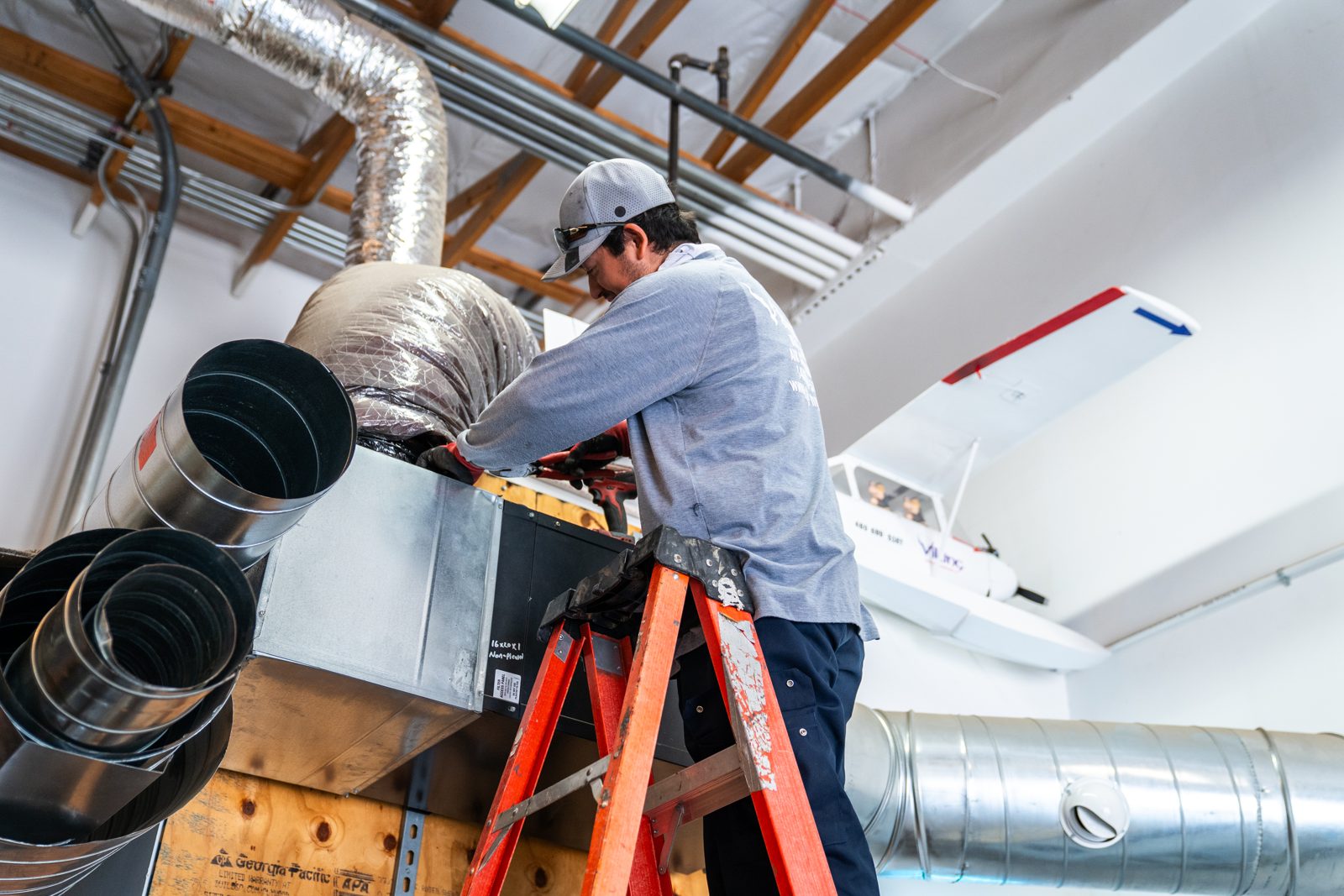
Confirm your ductwork is sealed and intact. Humidity and moisture infiltration are easier to manage when ducts are properly sealed. If you've noticed uneven cooling across rooms or higher-than-expected humidity indoors, our ductwork services team can assess whether sealing or repair is needed.
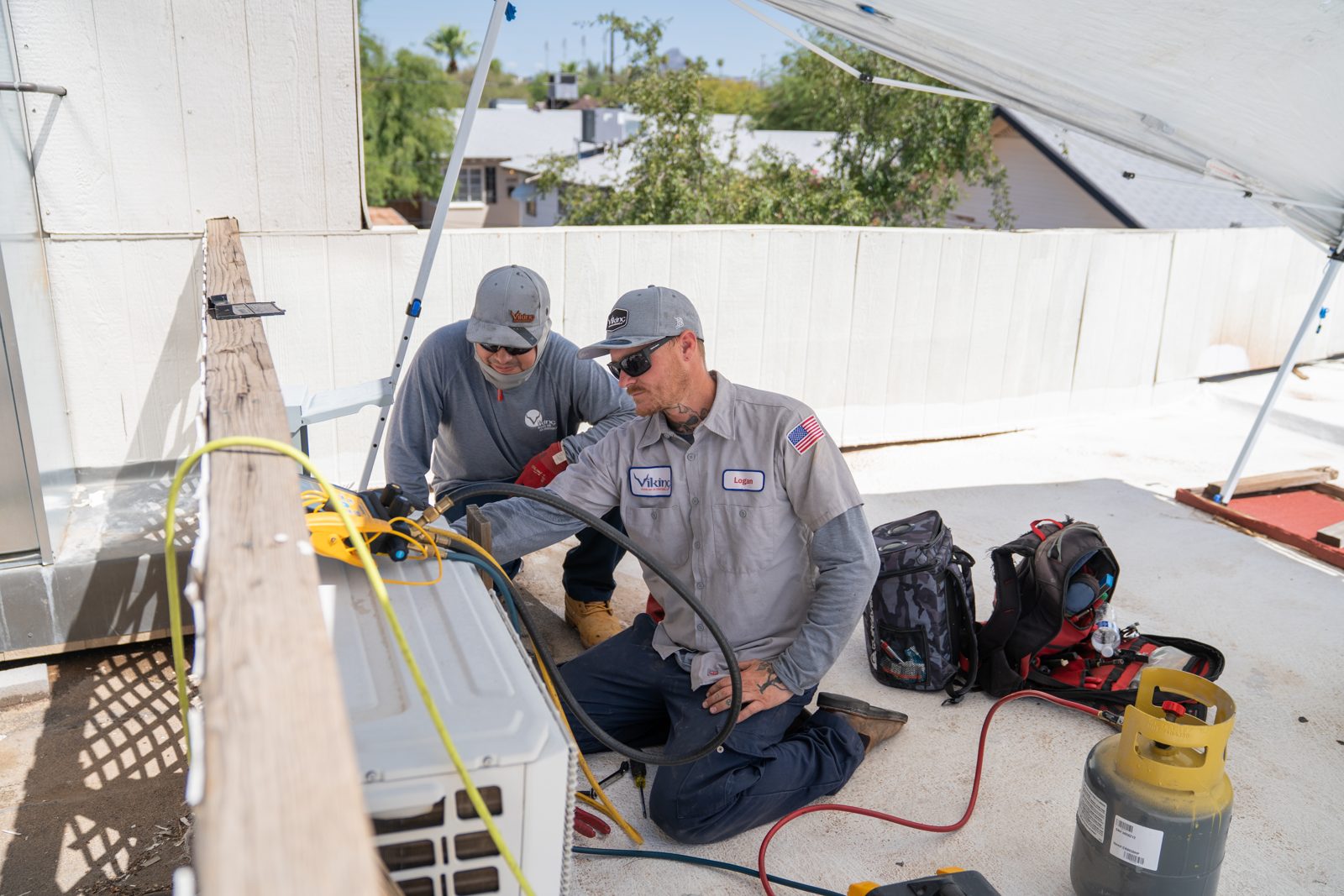
Don't ignore commercial systems. Businesses across Chandler, Gilbert, and the broader East Valley rely on rooftop units and commercial ventilation systems that are just as exposed to wind and rain as residential equipment — often more so, given rooftop placement. If you manage a commercial property, our commercial HVAC services and commercial ventilation and air quality teams can conduct a post-storm assessment to keep operations running smoothly.
Consider a maintenance plan going into the cooler months. Even though Arizona winters are mild, the transition period between monsoon remnants and the dry season is exactly when hidden damage surfaces. A preventative maintenance visit now can catch issues early, before they turn into an emergency call. The EPA and ENERGY STAR both recommend regular seasonal maintenance as one of the most effective ways to extend system lifespan and maintain efficient operation.
Have an emergency plan ready. If your system fails outright — especially overnight or during off-hours — you shouldn't have to wait until Monday morning for help. Viking offers 24/7 emergency HVAC repair for exactly these situations, serving Chandler, Mesa, Gilbert, Tempe, Scottsdale, Queen Creek, Apache Junction, and the surrounding East Valley.
Key Takeaway: Proactive inspection, duct sealing, and a maintenance plan are the most reliable ways to protect your system heading into the next round of unsettled weather — residential or commercial.
Why Local Expertise Matters After Storm Events
Viking Heating and Air Conditioning has served Chandler and the East Valley since 2016, built by husband-and-wife owners Nikki and Kelly Bridge. As a Champion Authorized Dealer and Mitsubishi Diamond Contractor, Viking services all major brands — Carrier, Trane, Lennox, Goodman, Rheem, and more — so no matter what system is installed in your home or business, our technicians are equipped to diagnose storm-related damage accurately. Viking is licensed, bonded, and insured under AZ ROC #316534, and every inspection comes backed by a 100% satisfaction guarantee with free second-opinion estimates available if you want a second set of eyes before committing to repair work.
Whether you're in Downtown Chandler, Ocotillo, Sun Lakes, or anywhere else in the East Valley, our team understands how Arizona's unique weather patterns — from summer monsoon bursts to late-season systems like the one that just moved through — affect HVAC performance differently than in other parts of the country. That local knowledge, paired with brand-agnostic repair capability, is part of what we mean when we say we're the bridge between you and comfort.
If recent storms have you questioning your system's condition, or if you simply want peace of mind before the next wave of unsettled weather, now is the time to act. Call Viking Heating and Air Conditioning at (480) 689-5167 to schedule an inspection, request emergency service, or ask any questions about how this week's weather may have affected your home or business. Our team proudly serves Chandler, Gilbert, Mesa, Tempe, Scottsdale, Phoenix, Queen Creek, Apache Junction, and the greater Phoenix East Valley — day or night, storm or shine.
Serving Chandler & the Phoenix East Valley
- HVAC Services in Downtown Chandler
- HVAC Services in Ocotillo
- HVAC Services in Sun Lakes
- HVAC Services in Andersen Springs
- HVAC Services in Cooper Commons
- HVAC Services in Clemente Ranch
- HVAC Services in Chandler Heights
- HVAC Services in Riggs Ranch
- HVAC Services in Circle G
- HVAC Services in Fulton Ranch
- HVAC Services in Carino Estates
- HVAC Services in Springfield Lakes
- HVAC Services in South Chandler
- HVAC Services in West Chandler
- HVAC Services in North Chandler
HVAC Services Near You
Frequently Asked Questions
Can a power surge from a storm damage my air conditioner?
Yes. Lightning strikes and grid fluctuations during monsoon storms can send power surges through your home's electrical system, damaging an AC unit's circuit board, compressor, or capacitor. If your system stopped working or is behaving erratically after a storm, it's worth having a technician inspect it before running it further.
Why does my air conditioner smell musty after heavy rain?
Musty odors after rain usually point to excess moisture in the ductwork or around the indoor coil, which can allow mold and mildew to grow. Elevated humidity following storms gives these organisms a place to thrive. An air quality inspection can identify the source and address it before it spreads further into your home's air.
Should I turn off my HVAC system during a flood watch?
If your outdoor unit is at risk of standing water or debris intrusion, or if you notice flickering power, it's reasonable to shut off the system until conditions clear and you've had it inspected. Running a unit with water intrusion risk or electrical instability can cause further damage.
What should I check on my HVAC system after a monsoon storm?
Walk around your outdoor condenser unit and look for debris, leaves, or standing water around the base. Check that the unit is running and producing cool air. Inside, note any unusual odors, strange noises, or reduced airflow. These can all be signs of storm-related stress on the system that warrant a professional look.
Does humidity after monsoon storms affect indoor air quality?
Yes. Humidity spikes following rain create favorable conditions for mold, mildew, and dust mites inside ductwork and living spaces. Homes in the Chandler and East Valley area often see a temporary rise in indoor air quality concerns after storms, which is why ventilation and filtration checks are recommended this time of year.
Is it normal for Chandler to still see monsoon storms in early November?
While the official monsoon season typically wraps up by the end of September, late-season storm systems can still move through the Phoenix area into early November, as seen with this week's flood watch and recorded precipitation. Homeowners should treat these events with the same caution as a typical monsoon storm.
How quickly can Viking Heating and Air Conditioning respond to storm-related HVAC issues?
Viking Heating and Air Conditioning offers 24/7 emergency service for residential and commercial customers throughout Chandler and the East Valley. If your system was affected by recent storms, you can call (480) 689-5167 anytime to schedule an inspection or emergency repair.
Do I need to worry about my ductwork after heavy rain?
If ductwork runs through an attic, crawlspace, or any area where water could intrude, heavy rain can expose weak seals, insulation gaps, or minor leaks you didn't know existed. A ductwork inspection can confirm whether your system is sealed properly and operating efficiently after a wet system moves through.
Need HVAC Service in Chandler?
Contact Viking Heating and Air Conditioning today for repairs services in Chandler, AZ.