Leaky Ducts in Phoenix Attics: Signs, Causes and What to Do
Leaky Ducts in Phoenix Attics: Signs, Causes and What to Do
Leaky ducts are air ducts with holes, gaps or loose connections that let heated or cooled air escape before it reaches your rooms. In a home with forced-air heating and cooling, the ducts carry that air from the system to each room.
When they leak, some of that air is lost. The result is higher utility bills and a house that's harder to keep comfortable, no matter how the thermostat is set. When your ducts run through a Phoenix attic, the air that escapes ends up in a space you never meant to heat or cool.
Duct leaks can be found and fixed. Some homeowners seal the ducts they can reach themselves, though we suggest leaving attic duct work to a professional.
Why Attic Ductwork Needs Extra Attention
Most duct systems have two kinds of ducts. Supply ducts carry heated or cooled air out to your rooms. Return ducts bring air back to the system so it can be heated or cooled again. Either kind can leak.
A vented attic is what builders call unconditioned space. That means it sits outside the part of the house your system heats and cools. Vented attics can reach extreme temperatures.
A duct running through that space can lose energy in two ways. Air can leak out through gaps, and heat can pass right through the duct wall. That second kind of loss is called conduction.
That is why ducts in an unconditioned space, such as a vented attic, should be sealed and insulated. Doing both prevents heat loss from air leaks and conduction. It also gives the ducts some protection from the harsh conditions up there. Sealing closes the gaps, and insulation slows the heat moving through the duct.
Think about what this means across a year in the Valley. In summer, cooled air that leaks into the attic is air you paid to cool that never reaches your living room. In winter, the same leak lets heated air slip out of the system before it gets to you.
Key Takeaway: Ducts that run through a vented attic sit in a space that can reach extreme temperatures. That's why they should be both sealed and insulated. Sealing keeps air from escaping, and insulation cuts the heat moving through the duct walls.
What Are the Signs of Leaky Ducts?
Leaky ducts can be hard to spot, because ducts are often out of sight. ENERGY STAR lists several signs that your ducts may be a problem:
- High utility bills in both summer and winter
- Rooms that are difficult to heat and cool
- Stuffy rooms that never seem to feel comfortable
- Ducts located in an attic, crawlspace or garage
- Flexible ducts in your system that are tangled or kinked
Flexible ducts, often called flex ducts, are the round, bendable ducts with a soft outer jacket. No single sign on this list proves a leak, since a hard-to-cool room can have other causes. When several signs show up together, and especially when your ducts run through the attic, it makes sense to have them inspected.
Dust is another thing homeowners notice. Fumes from household and garden chemicals, insulation particles, and dust can enter your duct system. Those pollutants can aggravate asthma and allergy problems.
Sealing ducts can help improve indoor air quality by reducing the risk of pollutants getting into the ducts and circulating through your home. Dirty air ducts are only one of many possible sources of particles in a home, though, so extra dust is a reason to take a look, not proof of a leak. If air quality is your main worry, our indoor air quality services page is a good place to start.
Key Takeaway: High bills in summer and winter, rooms that are hard to heat and cool, and stuffy rooms can all be signs of leaky or poorly performing ducts. That's especially true if the ducts run through the attic. Extra dust is worth noting too, but on its own it doesn't prove a leak.
Common Causes of Duct Leaks
Air escapes from a duct system through leaks, holes, and poorly connected ducts.
The places where ducts meet the house are a common trouble spot. A register is the grille where air enters or leaves a room. The connections at vents and registers, where they meet the floors, walls and ceiling, are common locations to find leaks and disconnected ductwork. If that joint isn't well sealed, air can slip out between the duct and the room.
Up in the attic, a section of duct can be damaged or come apart at a joint. Flex duct can also end up tangled, kinked or crushed.
Missing or damaged insulation is a related problem. Missing insulation doesn't let air escape by itself. But a duct with no insulation loses the protection against conduction described above. In an attic that can reach extreme temperatures, bare ductwork gives up more of its heating or cooling on the way to your rooms.
What Can You Check Yourself?
Because ducts are often hidden in walls, ceilings and attics, repairing them can be difficult. But there are still things you can do to improve how your ducts perform. Start inside the house, where the work is easy to reach.
Look at each supply and return register. Check that the connection is well sealed where it meets the floor, wall or ceiling. Visible gaps around a grille are worth noting, because this joint is one of the common places for leaks.
Some homeowners take on duct sealing as a do-it-yourself project. The approach is to seal air leaks using mastic sealant or metal tape and insulate the ducts you can access. Mastic is a thick, gooey, non-hardening substance that you spread onto duct seams with a paintbrush or a putty knife. ENERGY STAR is direct about duct tape: "Never use duct tape, as it is not long-lasting."
Be realistic about the attic, though. Vented attics can reach extreme temperatures, so we suggest leaving attic duct work to a professional, especially during the warm months. Ductwork is part of the heating and cooling work our family-owned Chandler team does across the East Valley. If your home has gas appliances, also read the safety section below before you seal anything.
Key Takeaway: From inside the house, check that each register is well sealed where it meets the floor, wall or ceiling. If you seal ducts you can reach, use mastic or metal tape instead of duct tape. Leave hot attic work to a professional.
How a Professional Finds and Fixes Duct Leaks
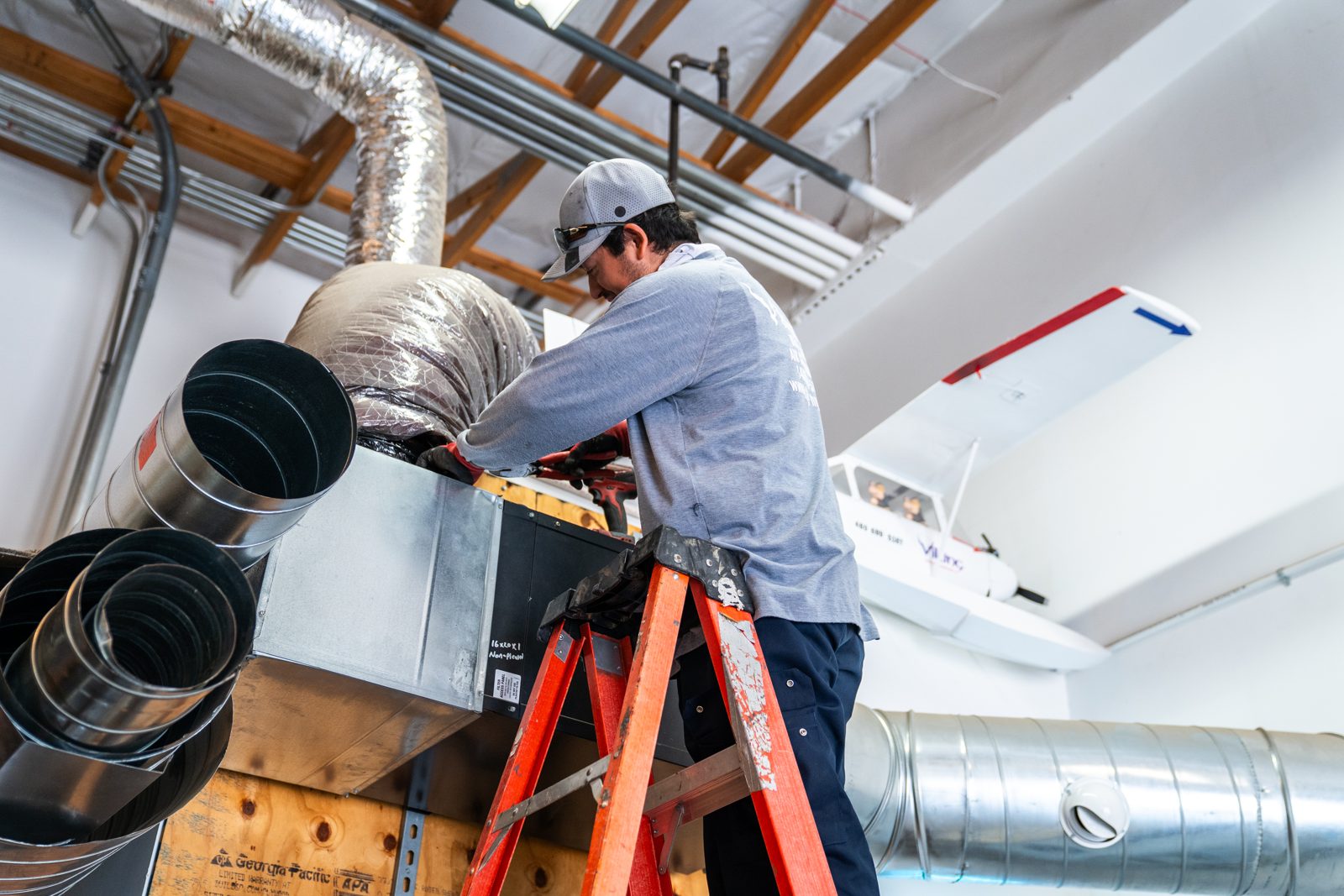
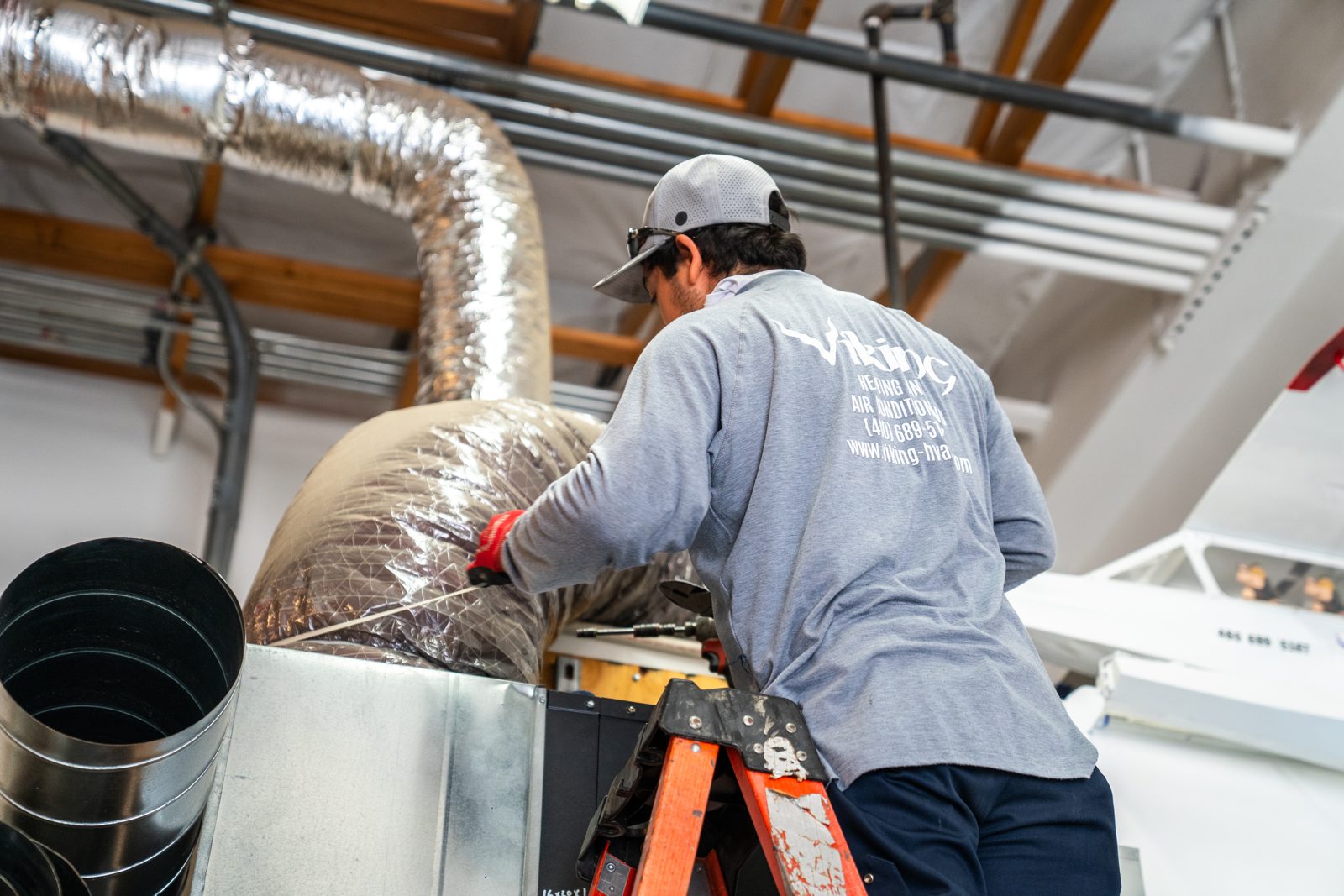
Many homeowners hire a professional contractor for duct projects, and most heating and cooling equipment contractors also repair ductwork. A good duct job covers the whole system, not only the one room that feels off. ENERGY STAR's advice on hiring a duct contractor is to look for one that will:
- Inspect the whole duct system, including the attic and crawlspaces
- Evaluate the system's supply and return air balance
- Repair damaged and disconnected ducts, and straighten flex ducts that are tangled or crushed
- Seal all leaks and connections with mastic, metal tape or an aerosol-based sealant
- Seal all registers and grilles tightly to the ducts
- Insulate ducts in unconditioned areas like attics, crawlspaces and garages
- Include a new filter as part of the improvement
Duct leakage can also be tested. The testing equipment has two main parts. One is a calibrated fan that pressurizes or depressurizes the ducts. The other is a device called a manometer, which measures fan flow and building pressure.
Some leaks are hard to reach by hand, and an aerosol sealant is one way to handle them. With injected spray sealant, an acrylic sealant is injected into the pressurized ducts. Its particles collect at the leaks and gradually close them. This work is typically done by a factory-authorized technician who follows the system supplier's directions.
A Safety Step for Homes With Gas Appliances
If you heat with a gas furnace, or have a gas water heater or dryer, duct sealing comes with one safety step. During normal operation, gas appliances such as water heaters, clothes dryers, and furnaces release combustion gases (like carbon monoxide) through their ventilation systems. ENERGY STAR explains that leaky ductwork in your heating and cooling system may cause "backdrafting," where these gases are drawn back into the living space, rather than expelled to the outdoors. Sealing leaks can minimize this risk.
ENERGY STAR advises homeowners to look for a duct contractor that will "Ensure there is no backdrafting of gas or oil-burning appliances, and conduct a combustion safety test after ducts are sealed." A combustion safety test is a check of the fuel-burning equipment in your home. In general, it includes checks for fuel leaks and carbon monoxide. The test also checks that waste gases leave the home through the chimney or venting system. For more on gas furnaces and other systems, see our complete residential heating guide for Phoenix Valley homeowners.
Key Takeaway: A professional duct job should include inspecting the whole system, including the attic, then repairing, sealing, insulating and adding a new filter. If your home has gas or oil-burning appliances, the job should also include the backdrafting check and combustion safety test described above, after the ducts are sealed.
Frequently Asked Questions
What are the signs of leaky air ducts?
Signs that your ducts may be leaking or performing poorly include high utility bills in both summer and winter. Other signs are rooms that are hard to heat and cool, and stuffy rooms that never seem to feel comfortable. Ducts that run through an attic, crawlspace or garage are also on ENERGY STAR's list of signs that ducts may be a problem. So are flexible ducts that are tangled or kinked. No single sign proves a leak. When several show up together, it's a good reason to have the ducts inspected.
Why are ducts in a Phoenix attic more of a concern?
A vented attic sits outside the part of your home that your system heats and cools, and it can reach extreme temperatures. Ducts in a space like that can lose heat in two ways: through air leaks and through conduction. Conduction is heat passing through the duct wall. That's why ducts in an unconditioned space such as a vented attic should be sealed and insulated. In a Phoenix summer, cooled air that leaks into the attic never reaches your rooms.
Can I seal leaky ducts myself?
Some homeowners do. On the ducts you can reach, you can seal leaks with mastic sealant or metal tape and add insulation. You can also make sure each register is well sealed where it meets the floor, wall or ceiling. ENERGY STAR says, "Never use duct tape, as it is not long-lasting." Because vented attics can reach extreme temperatures, we suggest leaving attic duct work to a professional.
Can leaky ducts make my house dusty?
They can play a part. Fumes from household and garden chemicals, insulation particles and dust can enter a leaky duct system. That can aggravate asthma and allergy problems. Sealing ducts can help improve indoor air quality by reducing the risk of pollutants getting into the ducts and circulating through your home. Dirty air ducts are only one of many possible sources of particles in a home, though, so extra dust is a reason to have the ducts checked, not proof of a leak.
Is duct sealing a safety issue if I have a gas furnace?
It can be. During normal operation, gas appliances such as furnaces, water heaters and clothes dryers release combustion gases, including carbon monoxide, through their ventilation systems. ENERGY STAR notes that leaky ductwork may cause backdrafting, where those gases are drawn back into the living space rather than expelled to the outdoors, and that sealing leaks can minimize this risk. ENERGY STAR also advises homeowners to look for a duct contractor that will "Ensure there is no backdrafting of gas or oil-burning appliances, and conduct a combustion safety test after ducts are sealed."
How does a professional find duct leaks?
A professional should inspect the whole duct system, including the attic and any crawlspaces. The professional should also check the balance between supply and return air. Leakage can also be tested with equipment that uses a calibrated fan to pressurize or depressurize the ducts. The equipment also uses a manometer, which measures fan flow and building pressure. From there, the contractor can repair damaged or disconnected ducts and seal leaks and connections with mastic, metal tape or an aerosol-based sealant.
What's the difference between sealing and insulating ducts?
Sealing closes the holes, gaps and loose connections that let air escape. Insulating wraps the ducts so less heat moves through the duct walls. Ducts in an unconditioned space, such as a vented attic, should be both sealed and insulated. Together, the two prevent heat loss from air leaks and conduction. They also give the ducts some protection from the harsh conditions in the attic.
Keeping Attic Ducts in Good Shape
Leaky ducts waste air that your system worked to heat or cool. Ducts in a hot attic deserve a close look. Watch for high bills in summer and winter, rooms that never feel right and tangled flex duct in the attic. If you notice several of these, especially with ducts in the attic, that's a good reason to have the system inspected.
If you're also getting your heat ready for the season, our guide to preparing your HVAC system for colder weather in the Phoenix Valley covers the rest of the changeover. When you'd like someone to look at your ducts, request a free estimate or call us at (480) 689-5167.
HVAC Services Near You
Frequently Asked Questions
What are the signs of leaky air ducts?
Signs that your ducts may be leaking or performing poorly include high utility bills in both summer and winter. Other signs are rooms that are hard to heat and cool, and stuffy rooms that never seem to feel comfortable. Ducts that run through an attic, crawlspace or garage are also on ENERGY STAR's list of signs that ducts may be a problem. So are flexible ducts that are tangled or kinked. No single sign proves a leak. When several show up together, it's a good reason to have the ducts inspected.
Why are ducts in a Phoenix attic more of a concern?
A vented attic sits outside the part of your home that your system heats and cools, and it can reach extreme temperatures. Ducts in a space like that can lose heat in two ways: through air leaks and through conduction. Conduction is heat passing through the duct wall. That's why ducts in an unconditioned space such as a vented attic should be sealed and insulated. In a Phoenix summer, cooled air that leaks into the attic never reaches your rooms.
Can I seal leaky ducts myself?
Some homeowners do. On the ducts you can reach, you can seal leaks with mastic sealant or metal tape and add insulation. You can also make sure each register is well sealed where it meets the floor, wall or ceiling. ENERGY STAR says, "Never use duct tape, as it is not long-lasting." Because vented attics can reach extreme temperatures, we suggest leaving attic duct work to a professional.
Can leaky ducts make my house dusty?
They can play a part. Fumes from household and garden chemicals, insulation particles and dust can enter a leaky duct system. That can aggravate asthma and allergy problems. Sealing ducts can help improve indoor air quality by reducing the risk of pollutants getting into the ducts and circulating through your home. Dirty air ducts are only one of many possible sources of particles in a home, though, so extra dust is a reason to have the ducts checked, not proof of a leak.
Is duct sealing a safety issue if I have a gas furnace?
It can be. During normal operation, gas appliances such as furnaces, water heaters and clothes dryers release combustion gases, including carbon monoxide, through their ventilation systems. ENERGY STAR notes that leaky ductwork may cause backdrafting, where those gases are drawn back into the living space rather than expelled to the outdoors, and that sealing leaks can minimize this risk. ENERGY STAR also advises homeowners to look for a duct contractor that will "Ensure there is no backdrafting of gas or oil-burning appliances, and conduct a combustion safety test after ducts are sealed."
How does a professional find duct leaks?
A professional should inspect the whole duct system, including the attic and any crawlspaces. The professional should also check the balance between supply and return air. Leakage can also be tested with equipment that uses a calibrated fan to pressurize or depressurize the ducts. The equipment also uses a manometer, which measures fan flow and building pressure. From there, the contractor can repair damaged or disconnected ducts and seal leaks and connections with mastic, metal tape or an aerosol-based sealant.
What's the difference between sealing and insulating ducts?
Sealing closes the holes, gaps and loose connections that let air escape. Insulating wraps the ducts so less heat moves through the duct walls. Ducts in an unconditioned space, such as a vented attic, should be both sealed and insulated. Together, the two prevent heat loss from air leaks and conduction. They also give the ducts some protection from the harsh conditions in the attic.
Need HVAC Service in Chandler?
Contact Viking Heating and Air Conditioning today for general services in Chandler, AZ.