Pre-Winter Commercial HVAC Checklist: Preparing Your Business for Cold Weather

Pre-Winter Commercial HVAC Checklist: Preparing Your Business for Cold Weather
While Arizona's winters seem mild compared to northern states, Phoenix Valley businesses still face significant heating challenges that demand proper preparation. Nighttime temperatures in Chandler, Gilbert, Mesa, and surrounding areas regularly drop into the 30s and 40s during winter months, and commercial buildings that haven't prepared their heating systems often discover problems at the worst possible times.
Commercial heating systems that sit idle through Arizona's extended cooling season require careful attention before winter demands arrive. Dust accumulation, component degradation, and calibration drift during months of inactivity can lead to inefficient operation, unexpected failures, and uncomfortable conditions for employees and customers. A systematic pre-winter checklist ensures your heating systems operate reliably and efficiently when temperatures drop.
This comprehensive guide provides Arizona business owners and facility managers with a complete pre-winter HVAC preparation checklist. Whether you manage a retail storefront in Scottsdale, an office complex in Phoenix, or a warehouse in Queen Creek, these steps help ensure your commercial HVAC systems deliver reliable comfort throughout the heating season.
Why Pre-Winter HVAC Preparation Matters in Arizona
Many Arizona business owners underestimate winter heating demands because the region's cooling needs dominate most of the year. Commercial buildings in the Phoenix Valley face unique challenges that make pre-winter preparation particularly important.
Arizona's dramatic temperature swings between day and night stress heating systems in ways that steady cold climates don't experience. A commercial building might need cooling during afternoon hours and heating by early morning, with temperature differentials of 40 degrees or more in a single day. This cycling between heating and cooling modes throughout winter demands systems that transition smoothly and operate efficiently in both directions.
The extended period of heating system inactivity during Arizona's long cooling season creates specific preparation needs. Dust from desert conditions accumulates on heating components, lubricants may have degraded, and controls may have drifted from proper calibration. Without pre-season attention, these issues manifest as reduced efficiency, strange odors when heating first activates, or complete system failures during the first cold snap.
Employee comfort and productivity depend on reliable heating during winter months. Workplace temperature affects employee focus and overall comfort on the job. Customers also form impressions based on comfort—a cold retail environment or uncomfortable waiting room creates negative experiences that affect business outcomes.
Key Takeaways: Why Preparation Matters
- Arizona's dramatic day-night temperature swings stress heating systems uniquely
- Extended inactivity during cooling season allows dust accumulation and component degradation
- Workplace temperature directly impacts employee productivity and customer experience
Complete Pre-Winter Commercial HVAC Checklist
The following checklist covers essential pre-winter preparation tasks for commercial HVAC systems. While some tasks are appropriate for in-house facility staff, others require professional technicians with proper training and equipment.
Thermostat and Control System Inspection
Begin your pre-winter preparation by evaluating thermostat and building automation system functionality. Verify that heating mode activates properly when setpoints call for heat. Check programmable schedules to ensure they reflect current occupancy patterns—many businesses adjust schedules seasonally or have changed operations since last winter. Test all zones to confirm each responds appropriately to heating demands.
Battery-powered thermostats should receive fresh batteries before winter begins, even if current batteries appear functional. Cold weather can accelerate battery drain, and thermostat failures during heating season create immediate comfort problems. Consider upgrading older thermostats to smart thermostat systems that provide remote monitoring, automated scheduling, and energy optimization features.
Air Filter Replacement and Inspection
Air filters require replacement or cleaning before winter heating begins, even if they were recently serviced. Arizona's dusty environment loads filters quickly, and restricted airflow reduces heating efficiency while straining system components. Inspect filter housings for gaps or damage that might allow unfiltered air to bypass filtration media.
Commercial facilities should verify they're using appropriate filter ratings for their equipment and application. Higher MERV ratings provide better filtration but create more airflow resistance—systems must be designed to accommodate the pressure drop. Consult equipment documentation or your HVAC provider to confirm optimal filter specifications for your systems.
Heating Equipment Inspection and Testing
Professional inspection of heating equipment should occur before winter demand arrives. For gas-fired equipment, technicians verify ignition system operation, inspect heat exchangers for cracks or corrosion, check gas connections for leaks, and confirm proper combustion and venting. Heat pump systems require refrigerant charge verification, defrost cycle testing, and supplemental heat strip inspection.
Run heating systems through complete cycles before cold weather arrives to identify problems while conditions allow time for repairs. Listen for unusual sounds, check for strange odors, and verify that heated air reaches all zones appropriately. Problems discovered during testing can be addressed on normal service schedules rather than requiring emergency HVAC repair during peak demand periods.
Key Takeaways: Equipment Preparation
- Replace thermostat batteries and verify programming reflects current occupancy schedules
- Install fresh air filters before heating season begins regardless of recent service
- Professional inspection identifies heat exchanger, ignition, and safety system issues
Ductwork and Distribution System Preparation
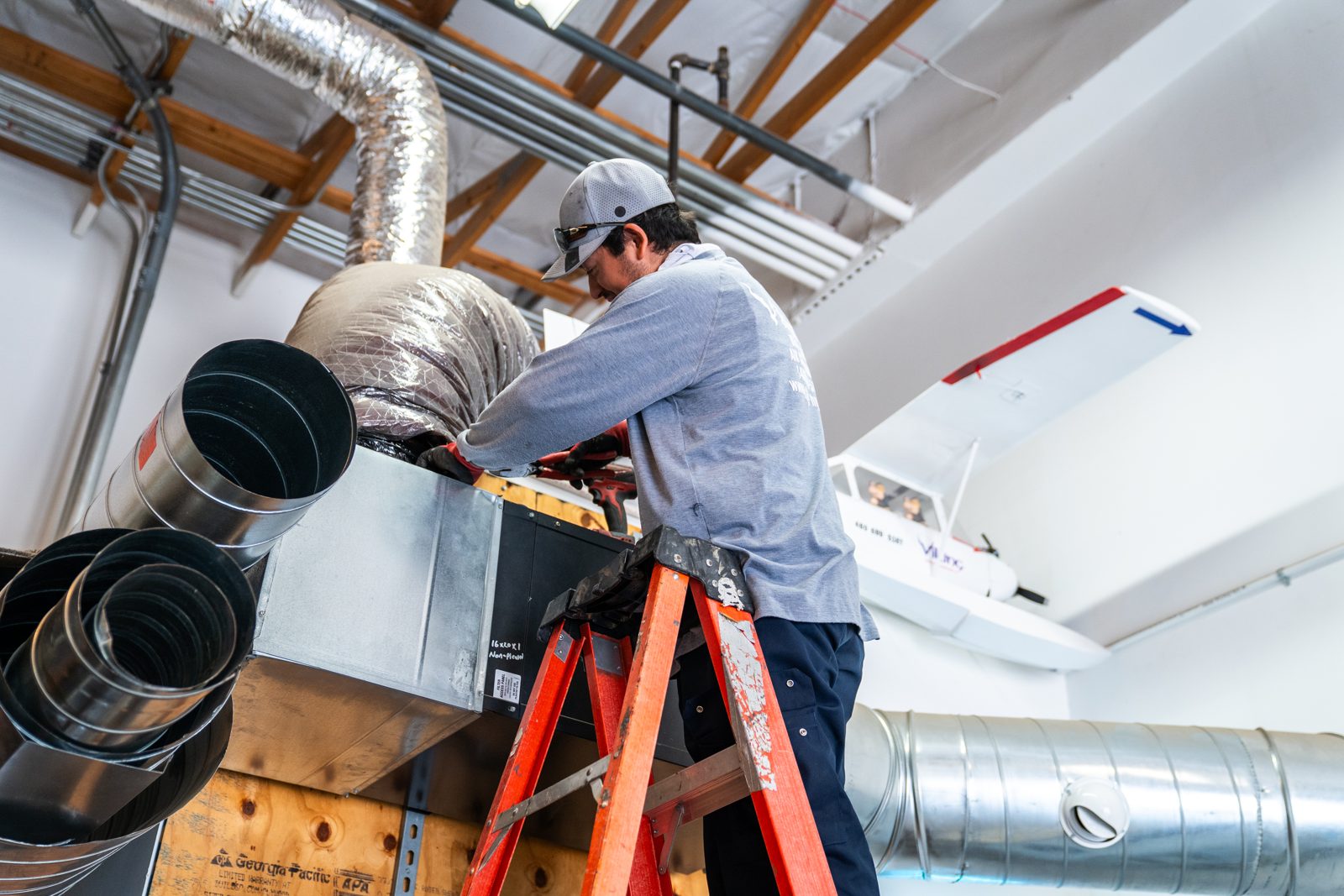
Ductwork inspection often gets overlooked during seasonal preparation, but distribution system problems significantly impact heating effectiveness and efficiency. Leaky or poorly sealed ductwork can waste a substantial share of conditioned air before it ever reaches occupied spaces. Before winter arrives, inspect accessible ductwork for disconnections, damage, and deteriorated sealing.
Professional ductwork services include comprehensive inspection, leak testing, and sealing that addresses problems invisible during casual observation. Thermal imaging can reveal insulation gaps and air leakage points that waste energy and create comfort problems. Addressing ductwork issues before winter maximizes heating system effectiveness.
Verify that supply and return vents throughout the building remain unobstructed. Furniture rearrangements, storage accumulation, and seasonal displays often block vents inadvertently. Restricted airflow creates pressure imbalances that reduce system efficiency and create hot and cold spots throughout occupied spaces.
Damper inspection ensures proper zone control and airflow balance. Manually operated dampers should be positioned correctly for heating season operation. Automated dampers require functional actuators and proper control system integration. Stuck or malfunctioning dampers create zone imbalances that waste energy while leaving some areas uncomfortable.
Energy Efficiency Considerations for Winter
Pre-winter preparation provides an excellent opportunity to evaluate and improve heating system efficiency.
Building envelope inspection identifies opportunities to reduce heating loads. Check weather stripping around doors and windows, inspect caulking and sealing around penetrations, and verify that loading dock doors and other large openings seal properly when closed. Heat loss through envelope deficiencies forces heating systems to work harder and consume more energy.
Programmable setback strategies reduce heating costs during unoccupied periods without sacrificing comfort during business hours. However, setback depths require careful calibration—excessive setbacks may save energy overnight but require extended recovery periods that impact morning comfort or trigger expensive demand charges during recovery.
Consider scheduling an energy audit before winter to identify specific efficiency opportunities in your facility. Professional audits evaluate building envelope, equipment efficiency, control strategies, and operational practices to develop prioritized recommendations for energy reduction.
Key Takeaways: Energy Efficiency
- Duct sealing can recover a meaningful share of conditioned air typically lost to leakage
- Building envelope inspection identifies weather stripping and sealing improvements
- Programmable setbacks reduce costs but require proper calibration to avoid comfort issues
Scheduling Professional Maintenance
While facility staff can perform some pre-winter preparation tasks, professional maintenance ensures comprehensive system evaluation and preparation.
Schedule pre-winter maintenance before the first cold weather arrives, ideally during October or early November in the Phoenix Valley. Waiting until heating problems occur means competing with other businesses for emergency service during peak demand periods. Proactive scheduling ensures your preferred service times and allows adequate time to address any issues discovered during inspection.
Professional technicians bring specialized tools and training that enable thorough evaluation beyond visual inspection. Combustion analyzers verify safe and efficient furnace operation. Refrigerant gauges confirm heat pump charge levels. Electrical testing identifies components approaching failure. This comprehensive evaluation catches problems before they cause failures or safety hazards.
Maintenance documentation provides valuable records for equipment management, warranty compliance, and regulatory requirements. Some industries require documented HVAC maintenance for licensing or certification purposes. Comprehensive service records also support equipment lifecycle planning and replacement budgeting.
Frequently Asked Questions
Q: When should Arizona businesses schedule pre-winter HVAC maintenance? A: Schedule pre-winter maintenance during October or early November in the Phoenix Valley. This timing allows adequate preparation before the first significant cold weather while avoiding the rush of emergency calls that occurs when temperatures drop unexpectedly.
Q: How often should commercial heating systems be serviced? A: Commercial heating systems should receive professional maintenance at least annually before the heating season begins. Facilities with high-use equipment, critical comfort requirements, or older systems may benefit from semi-annual service.
Q: What are signs that commercial heating equipment needs repair? A: Warning signs include unusual noises during operation, strange odors when heating activates, inconsistent temperatures between zones, increased energy consumption, frequent cycling on and off, and visible rust or corrosion on equipment. Yellow or flickering pilot lights on gas equipment indicate combustion problems requiring immediate professional attention.
Q: Can businesses perform their own pre-winter HVAC preparation? A: Facility staff can perform some preparation tasks including filter replacement, thermostat battery changes, visual ductwork inspection, and clearing obstructions from vents. However, heating equipment inspection, combustion testing, refrigerant verification, and electrical evaluation require professional technicians with specialized training and equipment.
Q: How much does commercial pre-winter HVAC maintenance cost? A: Pre-winter maintenance costs vary based on system type, size, and complexity. Basic maintenance for a single commercial rooftop unit costs less than maintenance for larger facilities with multiple systems, which require proportionally more investment. Contact Viking for a quote specific to your equipment.
Q: What happens if commercial heating fails during winter in Arizona? A: Heating failures during Arizona winters create immediate comfort problems that impact employees and customers. While rarely dangerous due to moderate climate, cold buildings reduce productivity, create negative customer impressions, and may damage temperature-sensitive inventory or equipment. Emergency repairs during peak demand often involve premium pricing and extended wait times.
Q: Should businesses upgrade heating equipment before winter? A: Equipment approaching end of useful life--typically 15-20 years for commercial systems--may warrant replacement before another winter season. Pre-winter replacement allows comfortable scheduling rather than emergency installation during cold weather. Modern equipment offers improved efficiency, and savings programs for energy-efficient equipment change frequently--see our Arizona AC savings programs guide for current, verified information.
HVAC Services Near You
Need HVAC Service in Chandler?
Contact Viking Heating and Air Conditioning today for commercial hvac services in Chandler, AZ.