Why Pre-Winter HVAC Tune-Ups Matter for Chandler, AZ Homes
As Chandler's cooler weather arrives, scheduling a pre-winter HVAC tune-up might not seem urgent — after all, Arizona winters are mild compared to most of the country. But that's exactly why so many Phoenix Valley homeowners get caught off guard. Your heating system has sat idle for 6-7 months while your AC handled the heavy lifting. Dust, degraded lubricants, and dormant components create a recipe for failure precisely when you need heat most.
Viking Heating & Air Conditioning has provided pre-winter HVAC maintenance throughout Chandler, Gilbert, Mesa, Phoenix, Scottsdale, Queen Creek, and Tempe since 2016. Our experience shows that homes with annual pre-winter tune-ups experience substantially fewer heating emergency calls compared to homes without regular maintenance.
What a Pre-Winter Tune-Up Includes
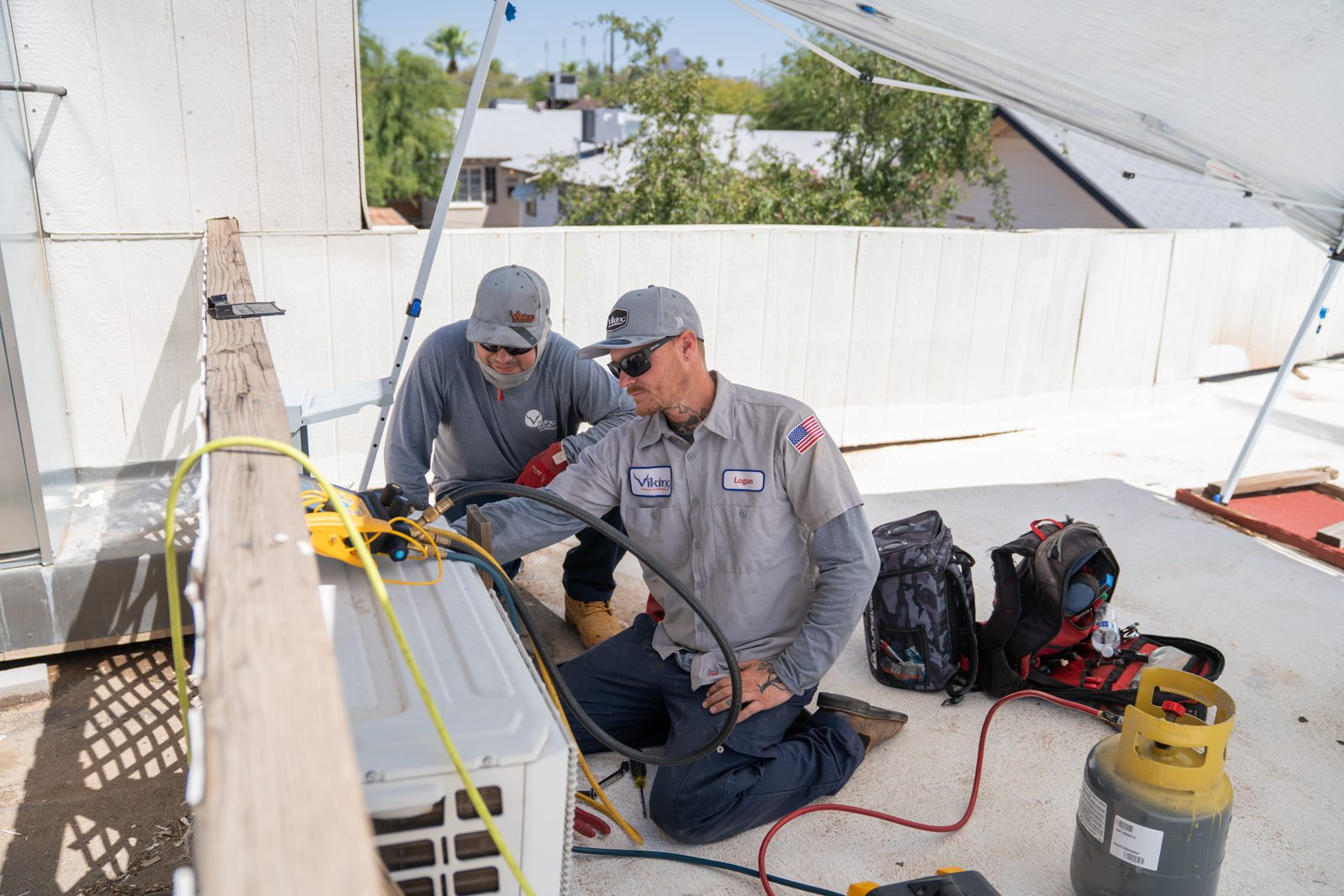
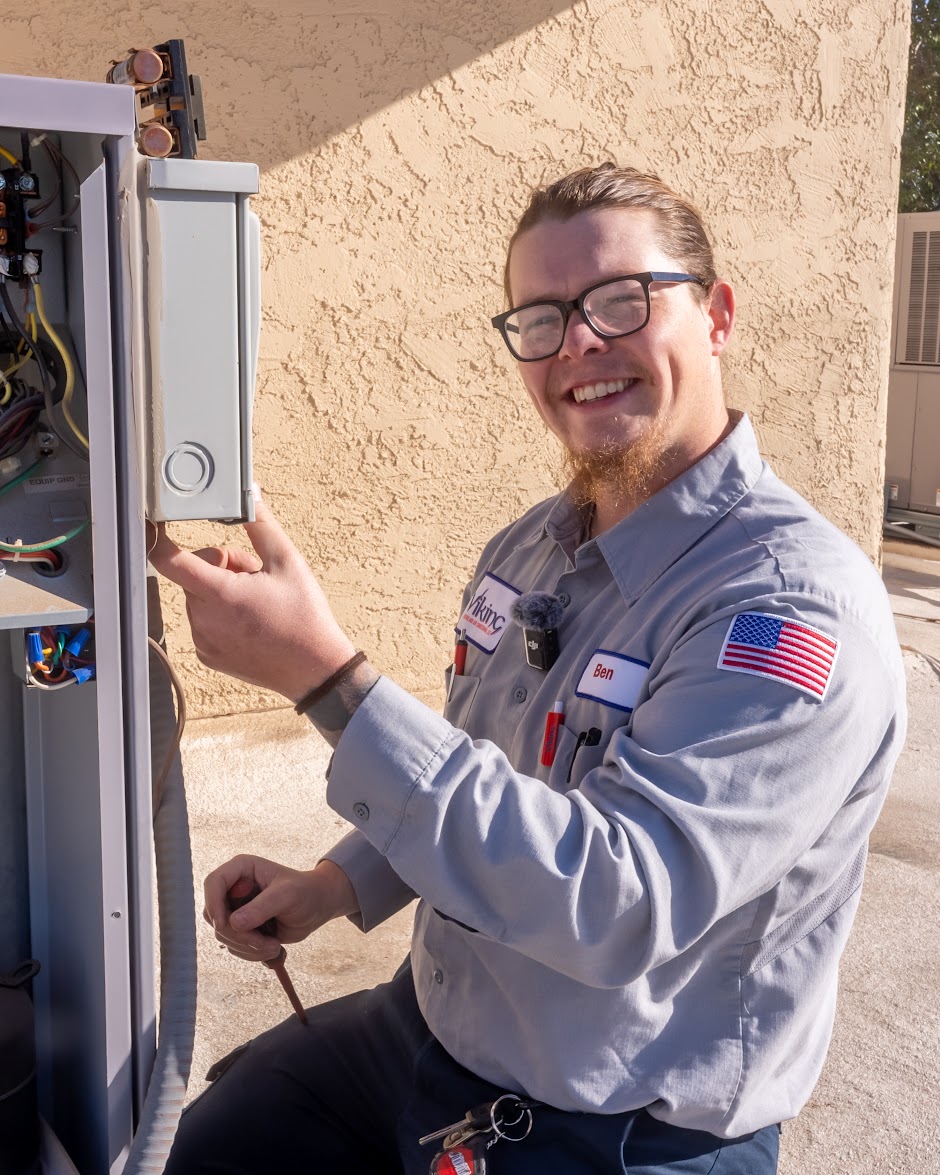
A comprehensive pre-winter tune-up goes far beyond a quick visual inspection. Viking HVAC's certified technicians perform a systematic evaluation that covers safety, efficiency, and reliability.
Safety Inspections
- Heat exchanger examination — Checking for cracks or corrosion that could allow carbon monoxide to enter your home. This is the single most important safety check for gas-fired heating systems
- Gas connection inspection — Verifying secure connections and checking for leaks
- Combustion analysis — Ensuring proper fuel-to-air ratio for safe, efficient operation
- Carbon monoxide testing — Measuring CO levels to confirm safe operation
- Electrical safety check — Inspecting wiring, connections, and safety controls
Performance Optimization
- Burner cleaning — Removing accumulated dust and debris that affects combustion efficiency
- Blower motor service — Cleaning, lubricating, and testing the motor that circulates heated air
- Belt inspection — Checking drive belts for wear, tension, and alignment (applicable systems)
- Thermostat calibration — Verifying accurate temperature sensing and proper heating activation
- Airflow measurement — Confirming proper air delivery to all zones and rooms
Efficiency Improvements
- Filter replacement — Installing a fresh filter for optimal airflow and air quality
- Coil cleaning — Removing dust from evaporator and condenser coils that reduces heat transfer
- Duct inspection — Checking accessible ductwork for leaks, disconnections, and insulation damage
- System cycling test — Running through complete heating cycles to verify proper operation
Why Fall Timing Is Critical
Avoid the Emergency Rush
The first cold snap in Chandler (typically late November or December) triggers a surge of emergency heating calls from homeowners who discover problems only when they need heat. By scheduling your tune-up in October or early November, you:
- Get your preferred appointment time
- Allow time for any necessary repairs before cold weather
- Avoid emergency service rates and extended wait times
- Start winter with confidence that your system is ready
Catch Problems Early
Pre-winter maintenance identifies developing issues before they cause failures:
- Cracked heat exchangers caught before carbon monoxide exposure
- Failing ignition systems repaired before cold morning call-outs
- Worn capacitors and contactors replaced before they cause system shutdowns
- Low refrigerant in heat pumps recharged before heating efficiency drops
Optimize for Dual-Mode Operation
Chandler's fall and winter weather requires your HVAC system to switch frequently between cooling and heating modes. A tune-up ensures both modes function properly and transition smoothly, preventing the comfort gaps that frustrate homeowners during transitional weather.
The Cost of Skipping Maintenance
Emergency Repairs vs. Preventive Maintenance
A routine pre-winter tune-up is a modest, predictable expense. An emergency heating repair called in during a cold snap — especially one requiring off-hours service — typically costs more than the same repair scheduled in advance, simply because of rush timing and limited parts availability. Larger failures, like a cracked heat exchanger or a full system replacement forced by a breakdown in the middle of winter, cost substantially more than either option and come with the added stress of being without heat while repairs are arranged. Preventive maintenance is designed to catch the small, inexpensive issues before they become the large, expensive ones.
Energy Waste
Unmaintained heating systems consume noticeably more energy than properly serviced systems. Over a winter season, that inefficiency adds up in wasted energy costs — costs that can exceed what the tune-up itself would have cost.
Equipment Lifespan
Systems that receive annual maintenance tend to last longer than neglected systems, and replacing a full HVAC system is a significant investment. Routine maintenance is one of the most reliable ways to protect that investment and delay the need for replacement.
Frequently Asked Questions
How much does a pre-winter HVAC tune-up cost in Chandler?
Pre-winter tune-up costs vary by system size and complexity. Maintenance program members receive discounted rates, priority scheduling, and additional benefits like repair discounts. The investment is minimal compared to the emergency repair costs and energy waste that preventive maintenance prevents.
When should I schedule my pre-winter tune-up in Chandler?
Schedule between early October and mid-November for optimal timing. This window provides comfortable working conditions for technicians, allows time for any follow-up repairs, and avoids the scheduling crunch that accompanies the first cold weather. Maintenance program members typically receive scheduling priority.
What's the difference between a tune-up and a full inspection?
A tune-up includes hands-on maintenance tasks (cleaning, lubricating, adjusting) plus inspection of critical components. A full inspection is primarily diagnostic — evaluating condition without performing service. Viking HVAC's pre-winter service combines both: comprehensive inspection plus all necessary maintenance tasks for a complete system evaluation.
Do I really need heating maintenance in Arizona?
Yes. Arizona's extended cooling season means heating components sit dormant for 6-7 months, accumulating dust, losing lubrication, and developing issues that only surface when heating is activated. The dramatic day-night temperature swings during fall and winter also stress systems in ways that benefit from professional preparation.
How long does a pre-winter tune-up take?
A standard pre-winter tune-up takes approximately 60-90 minutes for a typical residential system. More complex systems, older equipment, or systems with multiple zones may require additional time. Viking HVAC technicians work efficiently while being thorough — we never rush safety-critical inspections.
What if my tune-up reveals a problem?
If our technician identifies an issue, you receive a clear explanation of the problem, its urgency level, and repair options with transparent pricing before any additional work begins. Non-urgent issues can be scheduled for convenient repair. Safety-critical problems (like heat exchanger cracks) are communicated immediately with appropriate urgency.
HVAC Services Near You
Frequently Asked Questions
How much does a pre-winter HVAC tune-up cost in Chandler?
Pre-winter tune-up costs vary by system size and complexity. Maintenance program members receive discounted rates, priority scheduling, and additional benefits like repair discounts. The investment is minimal compared to the emergency repair costs and energy waste that preventive maintenance prevents.
When should I schedule my pre-winter tune-up in Chandler?
Schedule between early October and mid-November for optimal timing. This window provides comfortable working conditions for technicians, allows time for any follow-up repairs, and avoids the scheduling crunch that accompanies the first cold weather. Maintenance program members typically receive scheduling priority.
What's the difference between a tune-up and a full inspection?
A tune-up includes hands-on maintenance tasks (cleaning, lubricating, adjusting) plus inspection of critical components. A full inspection is primarily diagnostic — evaluating condition without performing service. Viking HVAC's pre-winter service combines both: comprehensive inspection plus all necessary maintenance tasks for a complete system evaluation.
Do I really need heating maintenance in Arizona?
Yes. Arizona's extended cooling season means heating components sit dormant for 6-7 months, accumulating dust, losing lubrication, and developing issues that only surface when heating is activated. The dramatic day-night temperature swings during fall and winter also stress systems in ways that benefit from professional preparation.
How long does a pre-winter tune-up take?
A standard pre-winter tune-up takes approximately 60-90 minutes for a typical residential system. More complex systems, older equipment, or systems with multiple zones may require additional time. Viking HVAC technicians work efficiently while being thorough — we never rush safety-critical inspections.
What if my tune-up reveals a problem?
If our technician identifies an issue, you receive a clear explanation of the problem, its urgency level, and repair options with transparent pricing before any additional work begins. Non-urgent issues can be scheduled for convenient repair. Safety-critical problems (like heat exchanger cracks) are communicated immediately with appropriate urgency.
Need HVAC Service in Chandler?
Contact Viking Heating and Air Conditioning today for heating services in Chandler, AZ.