Spring HVAC Maintenance Week: Prepare for Arizona Heat Before Summer

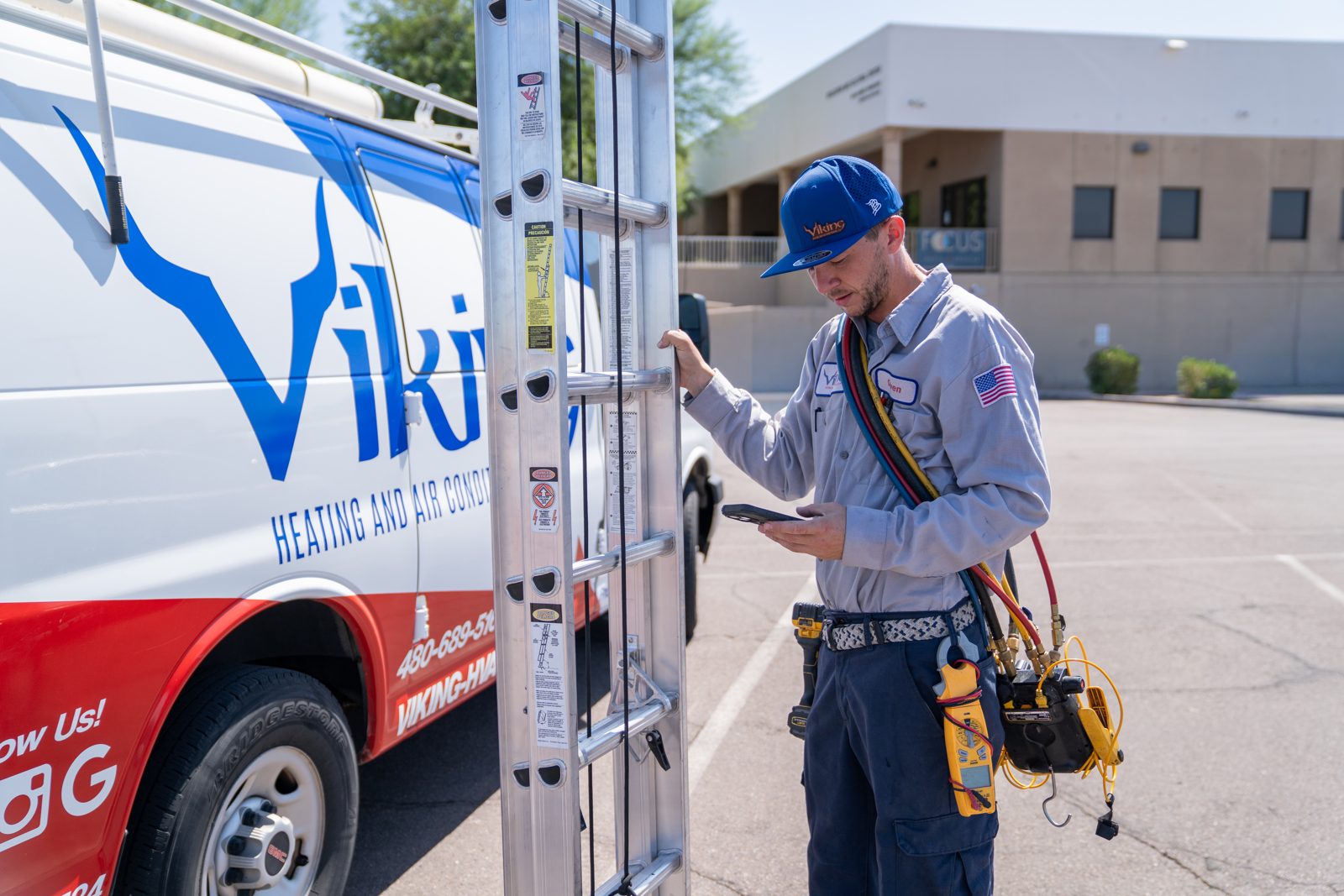
As Chandler residents prepare for another scorching Arizona summer, this week's mild forecast presents the perfect opportunity for essential spring HVAC maintenance. With temperatures ranging from a comfortable 79°F to 89°F according to the National Weather Service Phoenix, homeowners have an ideal window to prepare their cooling systems before the brutal heat arrives. Viking Heating and Air Conditioning, your trusted local HVAC partner serving the Greater Phoenix area since 2016, recommends taking advantage of these moderate conditions to ensure your air conditioning system is ready for the demanding months ahead.
Immediate Action Summary for Chandler Homeowners This week's mild 79-89°F temperatures create optimal conditions for spring HVAC maintenance in Chandler. Viking Heating and Air Conditioning recommends scheduling AC tune-ups now before Arizona's extreme summer heat arrives. Professional maintenance during these comfortable conditions prevents costly breakdowns when temperatures exceed 115°F and ensures peak efficiency for the 6+ month cooling season ahead.
Why This Week Is Perfect for HVAC Maintenance
The forecast shows predominantly sunny skies with temperatures climbing gradually from 79°F on Tuesday to 89°F on Thursday - ideal conditions for outdoor HVAC work. Unlike the sweltering summer months when technicians must work in extreme heat, this comfortable temperature range allows for thorough, unhurried system inspections and maintenance.
Arizona's unique climate demands proactive HVAC care. With cooling seasons extending from April through October - up to 9 months of the year - your air conditioning system will soon face continuous operation in temperatures regularly exceeding 115°F. Systems that aren't properly maintained before this demanding period face a much higher risk of failing during peak summer heat.
The current weather pattern also eliminates concerns about dust storms or monsoon moisture that can complicate maintenance scheduling later in the season. Clear, stable conditions mean technicians can complete comprehensive outdoor unit cleaning, refrigerant level checks, and electrical inspections without weather-related interruptions.
Key Takeaway: Mild spring weather provides optimal conditions for thorough HVAC maintenance that's difficult to perform during Arizona's extreme summer months.
Essential Spring Maintenance Tasks
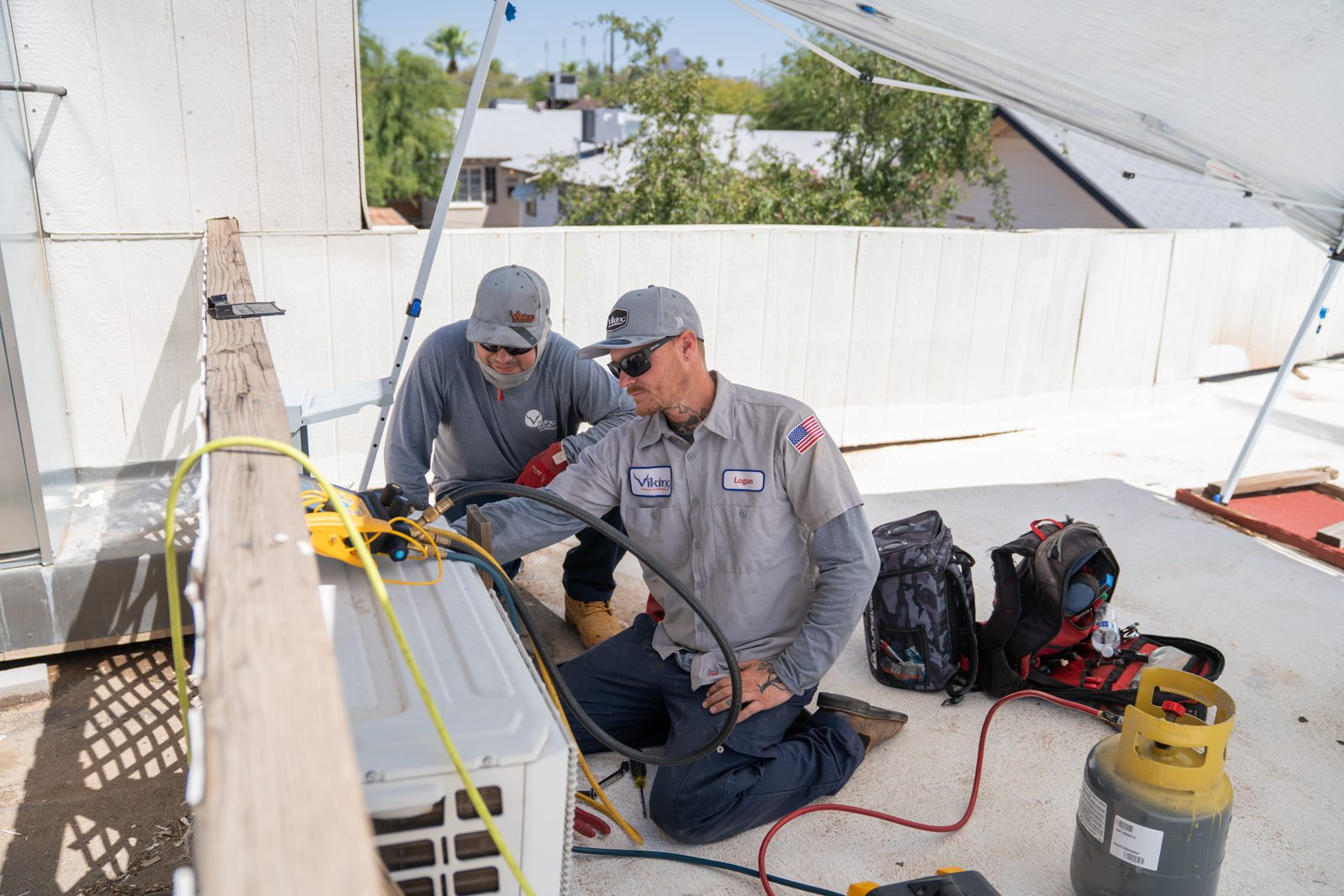
Professional spring maintenance encompasses critical tasks that ensure your system operates efficiently throughout Arizona's demanding cooling season. Preventative maintenance performed now prevents the majority of summer breakdowns and extends equipment life significantly.
Condenser Coil Cleaning: Arizona's dusty environment quickly coats outdoor condenser coils, reducing efficiency over time. Professional cleaning removes accumulated debris and restores heat transfer capability essential for proper cooling.
Refrigerant Level Verification: Insufficient refrigerant forces your system to work harder, increasing energy consumption and reducing cooling capacity. Licensed technicians can identify leaks and ensure optimal refrigerant levels before the high-demand season begins.
Electrical Connection Inspection: Arizona's temperature extremes cause electrical connections to expand and contract, potentially creating dangerous loose connections. Professional inspection identifies potential hazards and ensures reliable operation.
Filter Replacement and Airflow Testing: Arizona's dusty conditions require filter changes every 60-90 days, more frequently than most climates. Spring maintenance includes installing fresh filters and verifying proper airflow throughout your ductwork system.
Thermostat Calibration: Ensuring your thermostat accurately reads and responds to temperature changes becomes critical during Arizona's peak summer cooling months. Even small calibration errors result in significant energy waste.
Key Takeaway: Comprehensive spring maintenance addresses Arizona-specific challenges like dust accumulation and extreme temperature stress that standard maintenance might overlook.
The Cost of Delayed Maintenance
Postponing spring maintenance until summer arrives creates multiple problems for Chandler homeowners. Emergency AC repair services during 115°F heat are not only more expensive but also more difficult to schedule as HVAC companies experience peak demand.
Systems operating without proper maintenance consume noticeably more energy, directly impacting your monthly utility bills. With Arizona's time-of-use rate structures, inefficient operation during peak hours can compound these costs significantly.
Component failures increase dramatically without preventive care. Compressor failures, among the most expensive repairs, occur more frequently in unmaintained systems. Replacing a compressor during peak summer costs considerably more than routine preventive maintenance.
Regular maintenance, as recommended by Energy Star, helps improve system efficiency and extends equipment life. For Arizona homeowners, where AC systems face extreme operating conditions, proper maintenance can meaningfully extend how long a system lasts.
Key Takeaway: Spring maintenance costs represent a fraction of emergency repair expenses and energy waste that result from delayed service.
Smart Technology Integration
This mild weather period also provides an excellent opportunity for thermostat installation and smart system upgrades. Modern programmable and smart thermostats can meaningfully reduce energy use through optimized scheduling and remote monitoring capabilities.
Smart thermostats learn your household patterns and adjust temperatures automatically, reducing energy consumption during unoccupied periods. With Arizona's extended cooling season, these small efficiency gains compound into substantial savings over time.
Utility program terms for smart thermostat installation and demand response participation change frequently, so check current details directly with your utility provider before enrolling.
Advanced diagnostic capabilities in smart systems alert homeowners to developing problems before they become major failures. Early warning systems prove especially valuable during Arizona's summer months when system reliability becomes critical for health and safety.
Swamp Cooler Considerations
For homes using evaporative cooling systems, spring preparation takes different forms but remains equally important. Swamp cooler services should include thorough cleaning, pad replacement, and water system inspection before the cooling season begins.
Arizona's dry climate makes evaporative cooling particularly effective during spring and fall months. However, these systems require different maintenance schedules and considerations than traditional refrigerated air conditioning. Professional service ensures optimal performance and identifies potential issues before they affect cooling capacity.
Water quality becomes crucial for evaporative systems in Arizona's mineral-rich environment. Spring maintenance includes water line flushing and mineral deposit removal that ensures efficient operation throughout the season.
When to Consider System Replacement
Spring's mild weather also provides ideal conditions for HVAC installation projects. Systems approaching 12-15 years old in Arizona's climate should be evaluated for replacement rather than continued repair.
Newer systems offer meaningfully better efficiency than units manufactured even 10 years ago. With Arizona's extreme cooling demands, this efficiency improvement translates to substantial energy savings. Modern variable-speed systems adjust output to match demand, providing superior comfort and efficiency compared to older single-stage units.
Program terms for HVAC upgrades change frequently, so homeowners should confirm current details before making a decision.
Professional load calculations ensure proper sizing for Arizona's unique cooling requirements. Many older systems were improperly sized, leading to short cycling, humidity problems, and premature failure. Modern installations follow ACCA Manual J protocols to ensure optimal performance.
Key Takeaway: Spring's moderate conditions provide optimal timing for both maintenance and system replacement projects before summer's extreme demands begin.
Indoor Air Quality Preparation
Arizona's dust and allergen levels increase significantly as temperatures rise and outdoor activity intensifies. Spring maintenance should include air quality system evaluation and enhancement to ensure healthy indoor environments throughout the summer months.
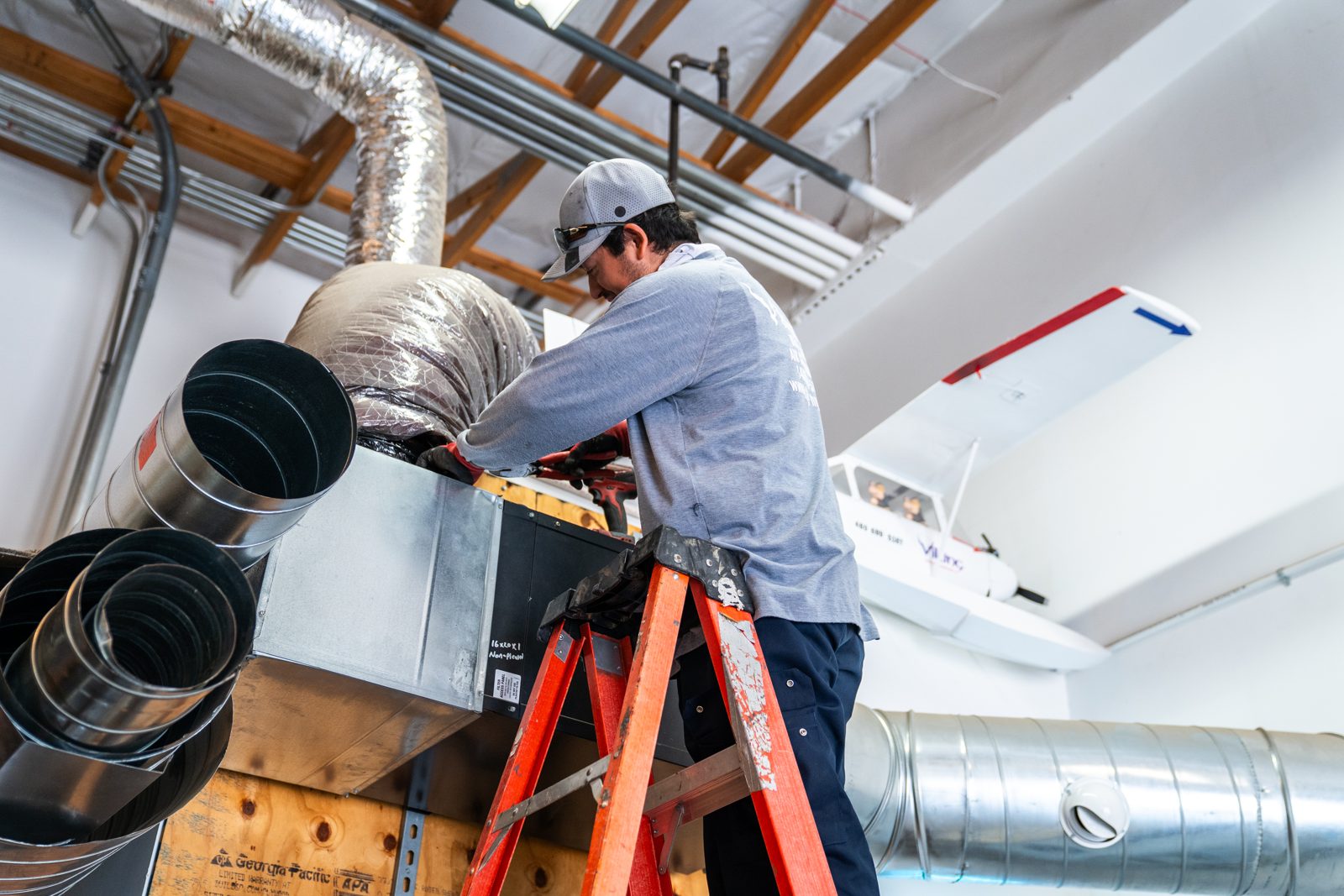
Ductwork inspection and cleaning remove accumulated dust and debris that reduce system efficiency and degrade indoor air quality. Arizona's sandy soils and frequent dust storms create unique challenges for maintaining clean ductwork systems.
Advanced filtration systems, including HEPA and electronic air cleaners, provide superior protection against Arizona's airborne particles. These systems integrate with existing HVAC equipment to improve air quality without reducing system efficiency.
UV air purification systems eliminate biological contaminants that thrive in dark, humid ductwork environments. These systems prove particularly valuable for Arizona homes where sealed environments during summer create ideal conditions for mold and bacteria growth.
Commercial Considerations
Business owners throughout Chandler and the East Valley should prioritize commercial HVAC maintenance during this favorable weather window. Commercial systems face even greater demands during Arizona summers, operating continuously to maintain comfortable environments for customers and employees.
Planned maintenance prevents business interruptions that can result from emergency system failures during peak summer heat. The cost of lost business due to uncomfortable indoor conditions far exceeds preventive maintenance expenses.
Commercial systems require specialized expertise and equipment for proper service. Professional maintenance ensures compliance with warranty requirements and local building codes while optimizing energy efficiency for large-scale cooling applications.
Energy management becomes critical for commercial operations facing Arizona's demanding cooling requirements. Professional maintenance includes control system optimization and energy usage analysis that can help reduce operating costs.
Serving Chandler & the Phoenix East Valley
- HVAC Services in Downtown Chandler
- HVAC Services in Ocotillo
- HVAC Services in Sun Lakes
- HVAC Services in Andersen Springs
- HVAC Services in Cooper Commons
- HVAC Services in Clemente Ranch
- HVAC Services in Chandler Heights
- HVAC Services in Riggs Ranch
- HVAC Services in Circle G
- HVAC Services in Fulton Ranch
- HVAC Services in Carino Estates
- HVAC Services in Springfield Lakes
- HVAC Services in South Chandler
- HVAC Services in West Chandler
- HVAC Services in North Chandler
Don't wait until your air conditioning system fails during Arizona's brutal summer heat. This week's perfect weather conditions won't last long, and summer's extreme temperatures are just weeks away. Viking Heating and Air Conditioning has been serving Chandler and the Greater Phoenix area since 2016, earning 340+ five-star reviews through reliable, professional service. As a Champion Authorized Dealer and Mitsubishi Diamond Contractor, licensed under AZ ROC license #316534, we're bonded, insured, and equipped to handle all your HVAC maintenance needs. Call (480) 689-5167 today to schedule your spring maintenance appointment and ensure your home stays comfortable all summer long. Remember, we're "The Bridge Between You and Comfort" - let us help you cross safely into summer with a properly maintained cooling system.
HVAC Services Near You
Frequently Asked Questions
When is the best time to schedule spring HVAC maintenance in Arizona?
The ideal time is mid-April when temperatures are mild (75-85°F). This allows technicians to work comfortably and ensures your AC is ready before temperatures exceed 100°F in May.
What does spring HVAC maintenance include?
Spring maintenance includes cleaning condenser coils, checking refrigerant levels, inspecting electrical connections, replacing air filters, testing thermostat calibration, and verifying proper airflow throughout your home.
How much does spring AC maintenance cost in Chandler?
Professional AC tune-up costs vary by system size and what your unit needs. This investment can prevent costly breakdowns and help maintain efficiency, saving on summer cooling bills.
Can I perform HVAC maintenance myself?
Basic tasks like changing filters and cleaning around the outdoor unit are DIY-friendly. However, refrigerant checks, electrical inspections, and coil cleaning require licensed technicians for safety and warranty compliance.
How often should I schedule professional HVAC maintenance in Arizona?
Arizona's extreme climate and extended cooling season require bi-annual maintenance - spring tune-ups before summer and fall heating system checks. This extends equipment life from 12-15 years to 18+ years.
What happens if I skip spring maintenance?
Skipping maintenance increases the risk of breakdown, can reduce system efficiency, and may void manufacturer warranties. Emergency repairs during Arizona's peak summer heat are more expensive and inconvenient than preventive service.
Need HVAC Service in Chandler?
Contact Viking Heating and Air Conditioning today for maintenance services in Chandler, AZ.