Year-End Commercial HVAC Planning: A Guide for Phoenix Valley Businesses

As the year winds down, Phoenix Valley business owners have a natural window to take stock of their commercial HVAC systems before the next demanding season arrives. Waiting until a rooftop unit fails in the middle of July is the most expensive and disruptive way to make an HVAC decision. Year-end is a better time to look at the condition of your equipment, think through timing, and get a realistic sense of what a repair or replacement project would involve. Viking Heating & Air Conditioning has served commercial clients throughout Chandler, Gilbert, Mesa, Phoenix, Scottsdale, Queen Creek, and Tempe since 2016, and this guide walks through how to approach that planning process.
Start With an Honest Assessment of Your Equipment
Before you can plan anything, you need a clear picture of where your current system stands. Age matters, but it's not the only factor. A unit that's been well maintained can still be a reliable, efficient part of your operation, while a younger unit that's been neglected or improperly sized for the building can already be a liability.
A few questions worth asking about each piece of equipment:
- How often has it needed repairs in the past year or two?
- Is it still keeping the space comfortable, or are certain zones consistently too hot or too cold?
- Are utility bills trending up without an obvious explanation?
- Is the unit original to the building, or has it already been replaced once?
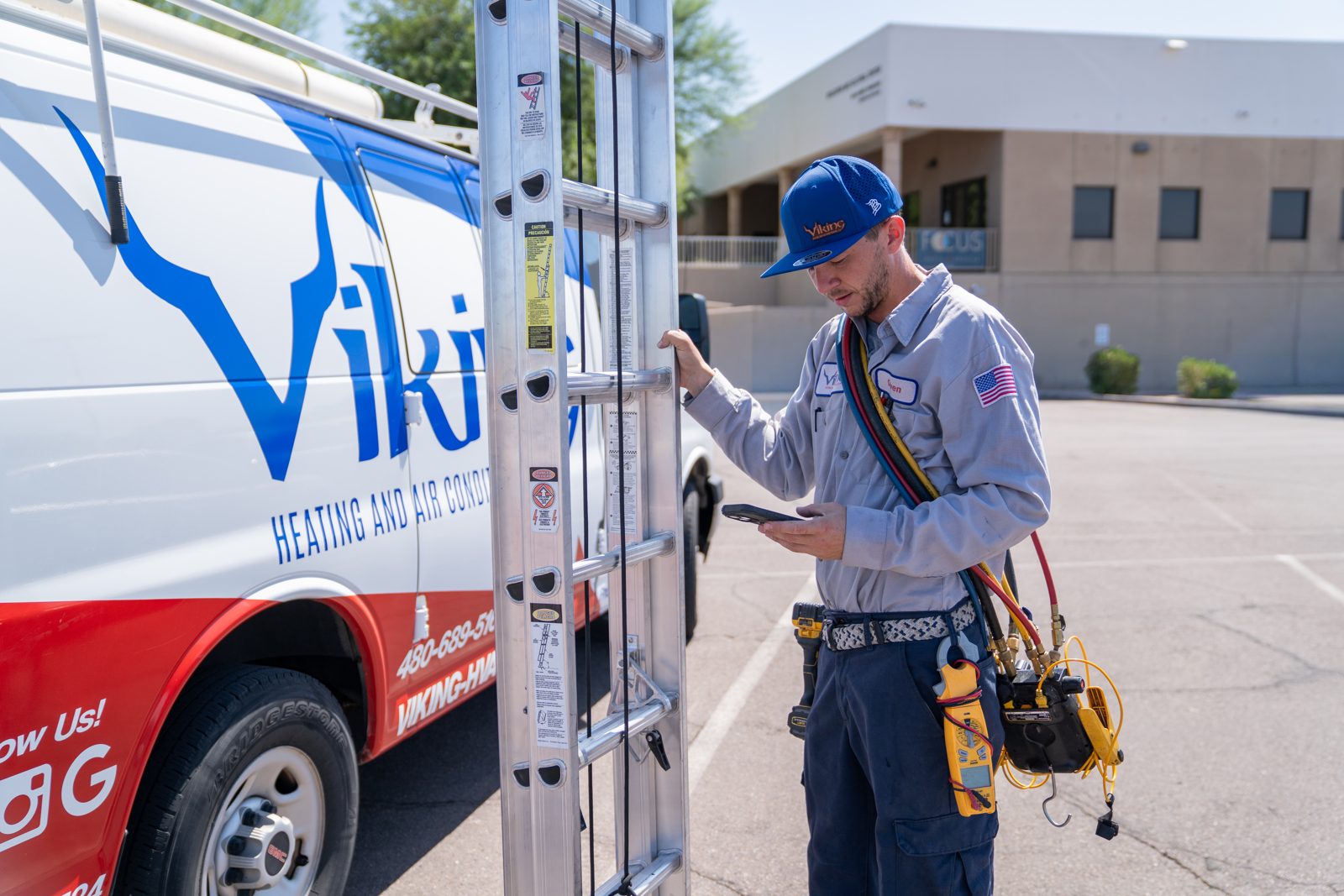
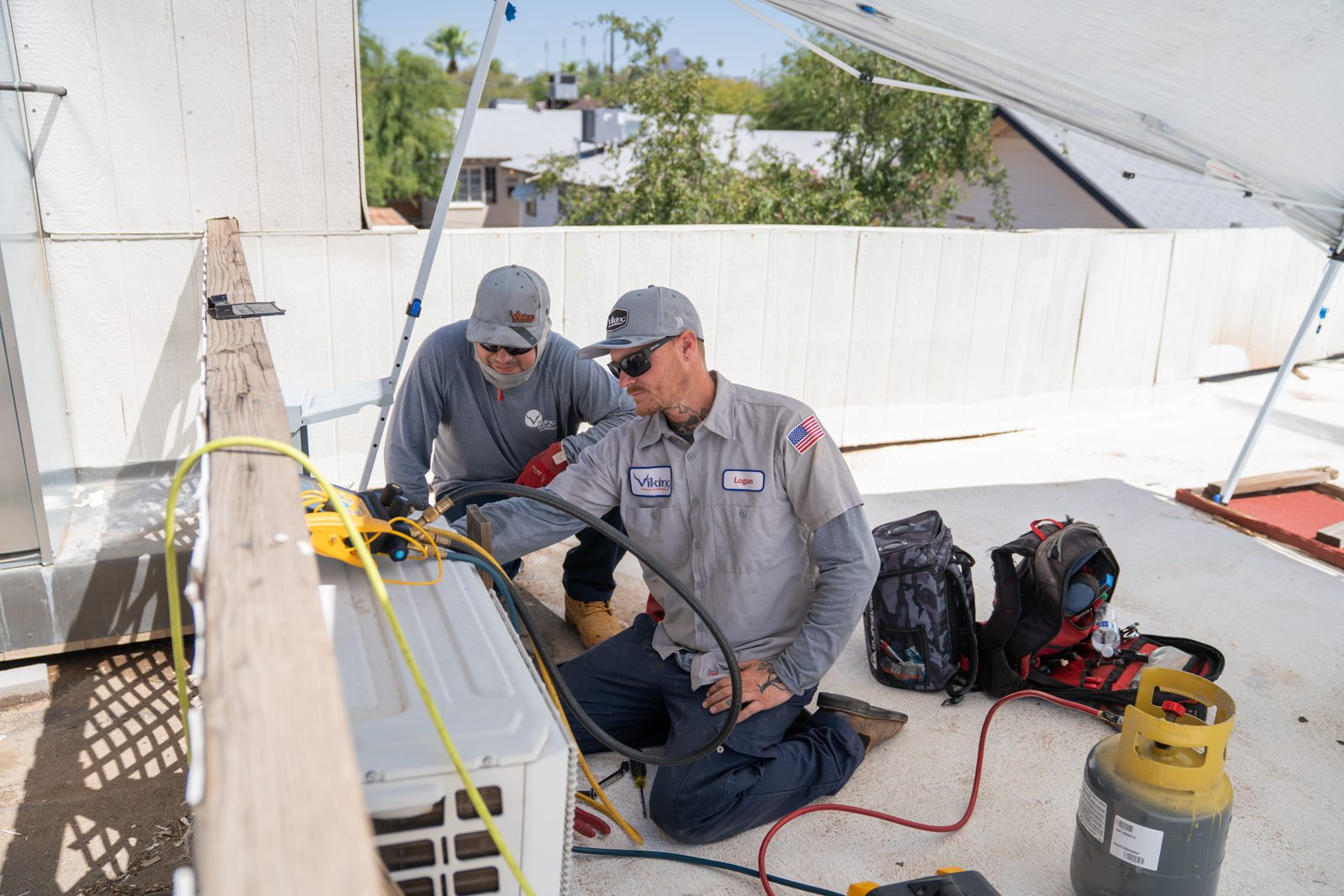
A licensed technician can walk the property, inspect the equipment, and give you a straightforward read on its condition. That assessment is the foundation for every other decision in this process, whether the outcome is "keep maintaining it," "budget for replacement next year," or "this needs attention now."
Understand Why Lead Times Matter
Commercial HVAC equipment, particularly larger rooftop units or systems sized specifically for a building's layout, is not something you pick up off a shelf. Depending on the manufacturer and the specifics of the unit, ordering, manufacturing, and shipping can take real time. If you wait until a system fails to start that process, your business could be without functioning heating or cooling for longer than you'd like, during exactly the time of year you need it most.
Planning at year-end, ahead of the busiest seasonal demand, gives you room to:
- Get equipment assessed without the pressure of an active breakdown
- Request and compare written estimates
- Order equipment with a realistic delivery and installation timeline
- Schedule the work during a lower-demand window rather than competing for appointment slots during peak season
Build a Realistic Budgeting Process
It's tempting to want a simple number to plan around, but commercial HVAC costs vary widely based on the size of the system, the complexity of the installation, the building's layout, and the scope of work involved. Rather than relying on a rule of thumb, the most useful approach is:
- Get your current equipment professionally assessed.
- Request a written estimate that reflects your specific building and equipment needs.
- Get a second opinion if the scope or recommendation is unclear. Viking offers a free second-opinion estimate for businesses evaluating a replacement decision, so you're not making a major capital decision based on a single quote.
- Use those real numbers, not a generic estimate, to build your budget and timeline.
This approach takes a bit more time upfront, but it means the number you're planning around actually reflects your building instead of a national average that may not apply to your situation.
A Note on Reducing Costs Through Available Programs
Programs that can lower the net cost of a commercial HVAC upgrade exist, but the specifics, including what qualifies, what a business ultimately saves, and which programs are currently active, change frequently and depend on your business's particular situation. Because of that, it's best to talk with your CPA or tax advisor about what applies to your business for the current tax year rather than relying on general information found online.
For a verified, up-to-date look at what's currently available to Arizona homeowners and businesses, see our dedicated guide on the Viking blog.
Putting a Year-End Planning Timeline Together
A simple way to approach the next few months:
- Now through year-end: Schedule an equipment assessment if you haven't had one recently. Identify any units that are showing signs of strain.
- Early in the new year: Request written estimates for any equipment that may need replacement, and get a second opinion if needed. Loop in your CPA on the tax side of any planned capital expenditure.
- Before your next peak season: Finalize decisions and schedule installation or major service work, so you're not racing the calendar when temperatures climb.
Planning ahead doesn't just reduce stress. It gives your business more control over cost, timing, and disruption than making the same decisions reactively, in the middle of a breakdown.
Frequently Asked Questions
When should a Phoenix Valley business start planning HVAC equipment decisions for the coming year?
Fall, typically October or November, is a good time to start. It gives you room to get equipment assessed, gather quotes, and schedule installation or major service before the next extreme heat season arrives, rather than making a rushed decision during a summer breakdown.
How do we know if our commercial HVAC equipment needs to be replaced versus repaired?
Look at the age of the equipment, how often it's needed repairs recently, and whether it's still able to keep the building comfortable and running efficiently. A licensed technician can inspect the system and give you a clear picture of its condition so you're deciding based on facts rather than guesswork.
How far in advance should we order commercial HVAC equipment?
Commercial equipment, especially larger rooftop units or systems that are custom-sized for a building, can take time to manufacture and ship. Ordering early, before your old system fails, gives you more flexibility on timing and avoids being stuck without functioning HVAC during peak season.
Should we get more than one estimate before replacing commercial HVAC equipment?
Yes. A second opinion helps confirm the scope of work is accurate and that you understand your options. Viking offers a free second-opinion estimate for businesses weighing a replacement decision.
Are there programs that can reduce the cost of a commercial HVAC upgrade?
Programs like these change frequently and eligibility depends on your specific situation, so we don't quote figures here. Businesses should talk to their CPA or tax advisor about what applies to their current tax year. For a verified, up-to-date look at what's currently available in Arizona, see our dedicated guide on the Viking blog.
How should a business budget for a commercial HVAC project without knowing exact costs upfront?
Start by getting your equipment assessed and requesting written estimates from a licensed contractor. Costs vary by system size, building layout, and scope of work, so an estimate based on your specific building is far more useful than a general rule of thumb.
What's the benefit of scheduling HVAC service or replacement before the busy season instead of during it?
Scheduling ahead means your business isn't competing with everyone else for appointment slots during peak summer or winter demand. It also reduces the risk of running a commercial space without reliable heating or cooling when you need it most.
If your business is ready to have its commercial HVAC equipment assessed ahead of the new year, contact Viking Heating & Air Conditioning at (480) 689-5167.
HVAC Services Near You
Frequently Asked Questions
When should a Phoenix Valley business start planning HVAC equipment decisions for the coming year?
Fall, typically October or November, is a good time to start. It gives you room to get equipment assessed, gather quotes, and schedule installation or major service before the next extreme heat season arrives, rather than making a rushed decision during a summer breakdown.
How do we know if our commercial HVAC equipment needs to be replaced versus repaired?
Look at the age of the equipment, how often it's needed repairs recently, and whether it's still able to keep the building comfortable and running efficiently. A licensed technician can inspect the system and give you a clear picture of its condition so you're deciding based on facts rather than guesswork.
How far in advance should we order commercial HVAC equipment?
Commercial equipment, especially larger rooftop units or systems that are custom-sized for a building, can take time to manufacture and ship. Ordering early, before your old system fails, gives you more flexibility on timing and avoids being stuck without functioning HVAC during peak season.
Should we get more than one estimate before replacing commercial HVAC equipment?
Yes. A second opinion helps confirm the scope of work is accurate and that you understand your options. Viking offers a free second-opinion estimate for businesses weighing a replacement decision.
Are there programs that can reduce the cost of a commercial HVAC upgrade?
Programs like these change frequently and eligibility depends on your specific situation, so we don't quote figures here. Businesses should talk to their CPA or tax advisor about what applies to their current tax year. For a verified, up-to-date look at what's currently available in Arizona, see our dedicated guide on the Viking blog.
How should a business budget for a commercial HVAC project without knowing exact costs upfront?
Start by getting your equipment assessed and requesting written estimates from a licensed contractor. Costs vary by system size, building layout, and scope of work, so an estimate based on your specific building is far more useful than a general rule of thumb.
What's the benefit of scheduling HVAC service or replacement before the busy season instead of during it?
Scheduling ahead means your business isn't competing with everyone else for appointment slots during peak summer or winter demand. It also reduces the risk of running a commercial space without reliable heating or cooling when you need it most.
Need HVAC Service in Chandler?
Contact Viking Heating and Air Conditioning today for commercial hvac services in Chandler, AZ.